How to Reset the Alfa Romeo Giulia Oil Light Step by Step
Resetting the Alfa Romeo Giulia oil light is a straightforward process you can do at home in just a few minutes. This guide walks you through every step, from understanding what the light means to completing the reset correctly. Whether you just changed your oil or topped it off, these simple methods work for most Giulia model years.
You are driving your Alfa Romeo Giulia, and suddenly that little oil can icon lights up on your dashboard. It is easy to feel a spike of panic, but here is the good news. Most of the time, this is a simple reminder that your oil service is due. Resetting the Alfa Romeo Giulia oil light is something you can handle on your own without visiting a mechanic or spending a dime.
Whether you just finished an oil change, topped off your oil, or the light came on out of nowhere, this guide has you covered. We will walk you through every step, explain what the light means, and share practical tips to keep your Giulia running strong. By the end, you will know exactly how to reset the oil light and avoid the common mistakes that trip people up.
The Alfa Romeo Giulia is a beautiful, performance-driven sedan that deserves proper care. Part of that care is staying on top of oil changes and understanding your dashboard warnings. Resetting the oil light after service is a small task that makes a big difference. It keeps your maintenance records accurate and your mind at ease. Let us dive in and get it done right.
Key Takeaways
- Resetting the oil light is simple: The process takes just a few minutes and can be done at home with no special tools.
- Follow the right steps for your model year: Different Giulia model years may have slightly different reset procedures on the dashboard or infotainment screen.
- Don’t ignore the oil light: Driving with an active oil warning can lead to serious engine damage and costly repairs.
- Change your oil on schedule: Regular oil changes are the best way to prevent the oil light from coming on unexpectedly.
- Check your oil level regularly: Low oil is a common trigger for the warning light, so keep an eye on your dipstick between services.
- Know when to seek help: If the light persists after a reset, it may signal a deeper issue that needs professional attention.
📑 Table of Contents
Understanding the Oil Light on Your Alfa Romeo Giulia
Before you reset anything, it helps to understand what the oil light actually means. Many drivers see a warning on their dashboard gauge and immediately think the worst. In most cases, it is simply a maintenance reminder. But knowing the difference between a simple reminder and a serious warning can save you from a big repair bill.
What the Oil Light Looks Like
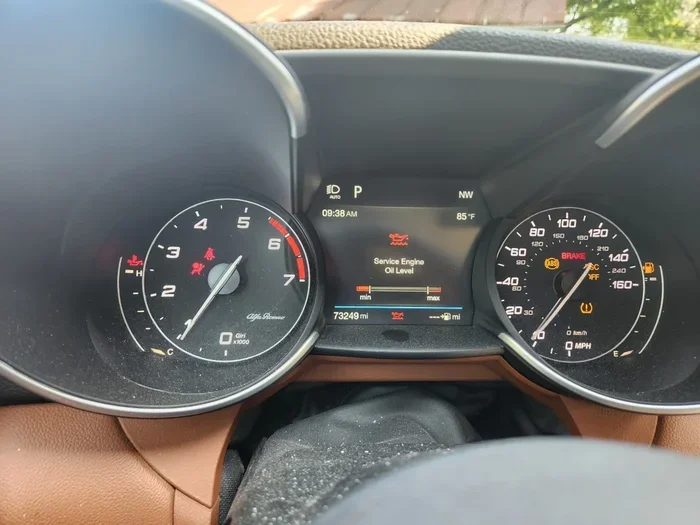
The oil warning light on the Giulia typically looks like an old-fashioned oil can. It may also appear as a stylized drop of oil with a wavy line. The light is usually yellow or amber when it is a maintenance reminder. It turns red if the system detects a serious oil pressure problem. A red oil light means stop driving immediately and check your oil level right away.
If you are unsure what the symbol on your specific Giulia model looks like, check your owner manual. Every Alfa Romeo model year may have slight differences in how warnings are displayed. The manual also explains what each dashboard icon represents, which is helpful for new Giulia owners.
Why the Oil Light Comes On
Several things can trigger the oil light on your Alfa Romeo Giulia. The most common reason is that your oil change interval has been reached. The car’s oil life system tracks your driving habits and engine conditions to estimate when the next service is due. Once that interval is met, the light comes on as a friendly nudge.
Other reasons the light may appear include:
- Low oil level: Oil can slowly decrease over time between changes. A low level triggers the sensor.
- Oil pressure drop: This is more serious and can indicate a leak or failing oil pump.
- Dirty or old oil: Oil breaks down over time and loses its ability to lubricate properly.
- Sensor malfunction: Sometimes the sensor itself gives a false reading, which is less common but possible.
If you notice the light is red and not yellow, do not ignore it. A red oil pressure warning is different from a maintenance reminder. Checking your oil level first is always a smart move. If you are unsure whether your oil is low, you can refer to our guide on Can I Add Oil to My Car If It’s Low for helpful tips on safely topping off.
When Should You Reset the Oil Light
Resetting the oil light is not something you need to do every day. It is a specific action tied to a specific event. Knowing when the right time is will help you stay on top of your Alfa Romeo maintenance schedule.
After an Oil Change
The most common time to reset the oil light is right after an oil change. Whether you did it yourself or visited a shop, the oil service interval needs to be cleared from the system. This tells your Giulia that fresh oil is now in the engine and the countdown for the next change has started.
If you got your oil changed at a dealership or quick-lube shop, ask them to reset the light as part of the service. Many places do this automatically. But if you are doing it yourself or the light is still on, you will need to follow the reset steps we cover below.
After Topping Off Oil
If your oil light came on because the level was low, you may want to reset it after adding oil. This is especially true if the light was a maintenance reminder and not a red pressure warning. Topping off your oil is a quick fix, but the reminder light will stay on until you manually reset it.
Always check your oil level with the dipstick before adding more. You do not want to overfill, which can cause its own set of problems. Make sure you use the correct engine oil type for your Giulia, which is typically a synthetic oil rated for performance engines.
Step-by-Step Guide to Resetting the Oil Light
Now for the part you have been waiting for. Resetting the oil light on your Alfa Romeo Giulia is easier than you might think. There are two main methods depending on your model year and the features your car has. We will walk you through both.
Method One: Using the Dashboard Controls
This method works for most Giulia models equipped with a traditional dashboard button cluster. Here is what to do:
- Turn the ignition to the ON position. Do not start the engine. Just press the start button once so the dashboard lights up.
- Press the trip button. This is usually located on the left side of the steering wheel or on the instrument cluster itself.
- Navigate to the service menu. Use the trip buttons to scroll through the options until you see “Oil Service” or “Service Interval.”
- Hold the trip button for about 10 seconds. The screen should start flashing, indicating it is ready for a reset.
- Press and hold the trip button again for 5 to 10 seconds. The display should show “Reset Done” or the service interval will reset to the default mileage.
- Turn the ignition off and then back on. Check the dashboard to confirm the oil light is no longer illuminated.
This method is quick and does not require any tools. If your screen does not respond the first time, try repeating the steps. Sometimes the system needs a second attempt. Be patient and make sure you are holding the button long enough.
Method Two: Using the Infotainment System
Newer Alfa Romeo Giulia models, especially those from 2017 and up, may use the infotainment touchscreen to manage maintenance reminders. Here is how to reset the oil light through the system:
- Press the Menu button on the infotainment screen.
- Navigate to Settings. Look for a vehicle or maintenance section.
- Select Service or Maintenance. You should see a list of pending service items.
- Find the oil service entry. Tap on it to view the details.
- Select Reset or Confirm Reset. The system will clear the reminder and set a new service interval.
- Exit the menu and verify the light is off. Check your dashboard to make sure the oil warning has cleared.
If you are having trouble finding the right menu, your owner manual is the best resource. Every Giulia model year may have slight menu differences. Take a moment to flip through the maintenance section of your manual for model-specific guidance.
Common Mistakes People Make When Resetting the Oil Light
Resetting the oil light sounds simple, but small mistakes can cause frustration. Here are the most common errors drivers make and how to avoid them.
Mistake 1: Resetting without actually changing the oil. This is the biggest mistake people make. The oil light is a reminder to service your engine. If you reset it without fresh oil in the crankcase, you are just clearing a warning without fixing the problem. Always change the oil first, then reset the light.
Mistake 2: Not holding the button long enough. The system requires a sustained button press to enter the reset mode. A quick tap will not work. Count to 10 slowly and hold firm. If it does not work the first time, try again.
Mistake 3: Ignoring a persistent light. If you reset the light and it comes back within a few days, something is wrong. It could be a slow oil leak, a faulty sensor, or an engine issue. Do not keep resetting and ignoring it. Get the car inspected by a professional.
Mistake 4: Using the wrong oil. If you use the wrong oil viscosity or low-quality oil, the engine may not perform as expected. This can also trigger the light sooner than normal. Always use the oil type recommended in your Giulia owner manual.
Mistake 5: Forgetting to check the oil level after resetting. The reset clears the reminder, but it does not add oil. Make sure your oil level is where it should be before you clear the light. If you are unsure about checking levels, our article on Can I Add Oil to My Car If It’s Low covers the basics in detail.
Oil Maintenance Tips for Your Alfa Romeo Giulia
Resetting the light is just one piece of the puzzle. Keeping your Giulia’s engine healthy requires a solid oil maintenance routine. Here are some tips to help you stay on track.
How Often Should You Change the Oil
The general recommendation for the Alfa Romeo Giulia is to change the oil every 5,000 to 7,500 miles when using synthetic oil. If you drive in severe conditions, such as stop-and-go traffic, extreme heat, or towing, you may need to change it more frequently. The oil life system in your Giulia helps track this, but it is always good to stay proactive.
Some drivers wonder if they can stretch the interval. Can you go two years without an oil change? In most cases, no. Even if you do not hit the mileage limit, oil degrades over time. Old oil loses its lubricating properties and can cause increased engine wear. For more details on oil change frequency, check out our article on Can You Go Two Years Without an Oil Change.
What Type of Oil Does the Giulia Use
The Alfa Romeo Giulia typically requires a high-quality synthetic oil. The exact specification varies by engine, but most models use 0W-20 or 5W-30 synthetic oil. Always check your owner manual for the manufacturer-recommended oil viscosity and specification.
Using the right oil matters more than people think. Synthetic oil provides better protection at high temperatures and flows more easily in cold weather. This is especially important for a performance car like the Giulia. Invest in quality oil and oil filters to keep your engine running smoothly for years.
Additional Maintenance to Consider
Oil changes are not the only maintenance task that matters. During an oil change service, a good mechanic will also check other fluids and components. This includes inspecting the transmission fluid level and condition. If you are curious about what happens during a full service visit, our article on Do Mechanics Check Transmission Fluid During an Oil Change explains what to expect.
Other maintenance items to keep on your radar include:
- Replacing the oil filter at every oil change
- Checking the air filter and cabin filter regularly
- Monitoring tire pressure and alignment
- Inspecting brake pads and rotors
- Keeping the cooling system flushed and topped off
When to See a Professional Mechanic
Resetting the oil light is a DIY-friendly task, but there are times when professional help is the right call. Understanding these situations will help you avoid bigger problems down the road.
If the oil light comes back on shortly after you reset it, do not keep resetting it in a loop. This is a sign that something is wrong with your engine or oil system. A persistent light could mean low oil pressure, a leak, or a failing oil pump. These are serious issues that need immediate attention.
It is also a good idea to see a professional if you are uncomfortable working under the hood or if your Giulia does not respond to the reset methods described above. Some newer models have reset procedures that are tied to the dealership software. In these cases, a dealer or certified mechanic may be the only option.
If you are concerned about the cost of an oil change or service visit, know that prices can vary depending on where you go. Many independent shops offer competitive rates compared to dealerships. If cost is a concern, you might want to explore your options. Our article on Can You Negotiate the Price of an Oil Change offers tips on getting a fair deal.
Regular professional inspections are also valuable. Even if you handle oil changes yourself, having a mechanic do a full checkup once a year can catch issues early. They have the tools and experience to spot problems you might miss. Think of it as preventive care for your car.
The Alfa Romeo Giulia is a rewarding car to own and drive. Keeping up with oil maintenance and understanding your warning lights ensures you get the most out of it. Resetting the oil light is a small act that plays a big role in your overall car care routine. Do it right, do it on time, and your Giulia will thank you with years of reliable performance.
Remember, the oil light is your car talking to you. It is not something to fear or ignore. It is a reminder to take action and keep your engine healthy. With the steps in this guide, you now have the knowledge and confidence to handle it yourself. Your Alfa Romeo Giulia deserves the best care, and now you know exactly how to give it.
Frequently Asked Questions
Can I drive my Alfa Romeo Giulia with the oil light on?
If the light is yellow and is a maintenance reminder, you can drive a short distance to get the oil changed. However, if the light is red or flashing, stop driving immediately and check your oil level. A red oil pressure light indicates a serious problem that could cause engine damage if you keep driving.
How often should I reset the oil light on my Giulia?
You should reset the oil light every time you get an oil change or top off your oil. The Giulia’s oil life system tracks mileage and driving conditions, so resetting after each service keeps the system accurate. This helps you stay on top of your maintenance schedule without missing a beat.
What happens if I don’t reset the oil light after an oil change?
If you do not reset the light, it will stay on and remind you that service is overdue, even though you just had the oil changed. The car’s system will not automatically clear the reminder. It is a quick task that takes only a few minutes and keeps your dashboard accurate and your mind at ease.
Can a low oil level cause the oil light to come on?
Yes, a low oil level is one of the most common reasons the oil light illuminates. The oil level sensor detects when oil drops below the safe range and triggers the warning. Always check your oil level with the dipstick and top it off if needed before driving the car for long distances.
Is it safe to reset the oil light myself?
Absolutely. Resetting the oil light is a safe and simple process that does not require any special tools or mechanical knowledge. Just make sure you have actually changed or topped off the oil before resetting. Resetting without adding fresh oil can lead to engine damage over time.
Why does my oil light keep coming back after resetting?
If the light returns shortly after a reset, it usually means there is an underlying issue. Common causes include a slow oil leak, a faulty oil pressure sensor, or degraded oil that needs to be replaced. In this case, it is best to have a professional mechanic inspect the car as soon as possible to rule out serious problems.
=== CONCLUSION ===
Resetting the Alfa Romeo Giulia oil light is a quick, easy task that every Giulia owner should know how to do. Whether you use the dashboard buttons or the infotainment system, the process takes just a few minutes and requires no special equipment. The key is to reset only after you have properly changed or topped off the oil.
Regular oil changes, consistent oil level checks, and prompt resets keep your Giulia’s engine running at its best. Do not ignore the warning light or put off maintenance. Your car will reward you with smooth performance and long-term reliability. Keep this guide handy, share it with fellow Giulia owners, and take pride in keeping your car in top shape.