Everything About How to Reset Soot Level on a Volvo
Resetting the soot level on your Volvo is a straightforward process that keeps your diesel engine running smoothly. This guide walks you through the DPF regeneration process, explains what triggers the soot warning, and gives you practical steps to clear the soot level on your Volvo. Whether you drive a Volvo truck, SUV, or sedan, understanding soot management is essential for long engine health and avoiding costly repairs.
Dealing with a soot warning on your Volvo can feel stressful, especially if you are not sure what it means or how to fix it. The good news is that resetting the soot level on a Volvo is something you can do yourself in most cases. This guide will show you exactly how to handle the process step by step. We will cover everything from understanding what the soot level actually means to walking through the reset procedure. By the end, you will feel confident tackling this common Volvo maintenance task on your own.
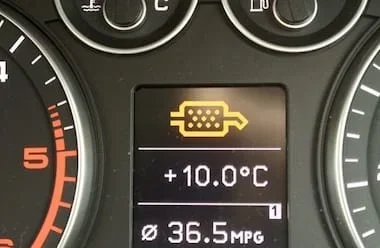
The soot level indicator is part of your Volvo’s diesel exhaust aftertreatment system. It tracks how much particulate matter has built up in your exhaust system. When the level gets too high, your Volvo triggers a warning light on the dashboard. Resetting the soot level clears this warning and gets your vehicle back to running smoothly. Let us dive into the details so you can handle this like a pro.
Key Takeaways
- Regular DPF regeneration prevents soot buildup and keeps your Volvo engine performing at its best.
- You can reset the soot level using the Volvo dashboard menu or a diagnostic tool at home.
- Ignoring the soot warning light can lead to expensive repairs and reduced fuel efficiency.
- Active and passive regeneration are the two main methods Volvo uses to manage soot levels.
- Routine Volvo maintenance including oil changes and filter checks helps prevent excessive soot accumulation.
📑 Table of Contents
- Understanding Soot Levels in Your Volvo
- When to Reset the Soot Level on Your Volvo
- How to Reset Soot Level on a Volvo: Step-by-Step
- Common Mistakes When Resetting the Soot Level
- Preventing Future Soot Buildup in Your Volvo
- Expert Insights on Volvo Soot Management
- Final Thoughts on Resetting the Soot Level on a Volvo
Understanding Soot Levels in Your Volvo
Before you reset anything, it helps to understand what soot is and why it accumulates in your diesel Volvo. Soot, also known as particulate matter, is a byproduct of diesel combustion. Tiny black particles escape through the exhaust system and collect in the diesel particulate filter, or DPF. Over time, this filter becomes saturated, and your Volvo alerts you with a warning message.
What Causes Soot Buildup?
Several factors contribute to soot accumulation in your Volvo. Short trips at low speeds are the biggest culprit. When your engine does not reach full operating temperature, it does not burn fuel completely. This creates more soot than normal. Here are the most common causes:
- Frequent short-distance driving where the engine never fully warms up
- Excessive idling which reduces exhaust temperature
- Low-quality diesel fuel that burns inefficiently
- Dirty air filters that restrict airflow and increase combustion inefficiency
- Faulty glow plugs that make cold starts harder on the engine
- Turbo leaks that reduce boost pressure and combustion efficiency
Understanding these causes helps you prevent future soot buildup after you complete the reset. Regular Volvo maintenance plays a huge role in keeping soot levels in check.
How the DPF System Works
Your Volvo’s diesel particulate filter works like a trap for exhaust soot. It catches the particles before they leave the tailpipe. Periodically, the filter needs to clean itself through a process called regeneration. During regeneration, the engine raises exhaust temperatures to burn off the trapped soot. This is how your Volvo keeps the DPF from getting completely clogged.
There are two types of regeneration. Passive regeneration happens naturally during highway driving when exhaust temperatures are high. Active regeneration is when the engine control unit actively increases exhaust temperature to burn off soot. Sometimes active regeneration does not complete properly, and that is when you need to manually reset the soot level.
When to Reset the Soot Level on Your Volvo
Knowing when to reset the soot level is just as important as knowing how to do it. You should not reset the soot level every time a warning appears. Sometimes the warning means a real problem that needs professional attention. Here is when a reset makes sense and when it does not.
Signs You Need a Soot Level Reset
Watch for these clear signs that a soot level reset is appropriate:
- The soot level warning light appears on your dashboard but your engine runs normally
- You have completed a successful DPF regeneration cycle and the warning persists
- You have driven at highway speeds for an extended period and the soot level has not decreased
- The Volvo diagnostic tool shows a high soot reading after a regeneration attempt
- Your engine performance feels normal but the warning message keeps coming back
If you notice any of these signs, a soot level reset is likely the right move. However, if your Volvo is showing other symptoms like rough idling, power loss, or excessive black smoke, you should investigate the root cause before resetting anything. Ignoring underlying problems will just cause the soot level to spike again quickly.
When Not to Reset
There are times when you should skip the reset and visit a mechanic instead. If your DPF is physically damaged or clogged beyond what regeneration can fix, resetting the soot level will not solve the problem. Similarly, if your Volvo’s DEF (diesel exhaust fluid) system has an issue, the soot warning might be a secondary symptom. Always address the bigger picture first.
How to Reset Soot Level on a Volvo: Step-by-Step
Now for the part you have been waiting for. Resetting the soot level on your Volvo is a manageable process if you follow the steps carefully. The exact steps can vary slightly depending on your Volvo model and year, but the general process is very similar across diesel Volvos.
Step 1: Prepare Your Volvo
Start by parking your Volvo on a flat surface and turning off all accessories. Let the engine idle for a few minutes to reach normal operating temperature. This ensures the DPF is in a stable state before you begin the reset. Make sure you have enough fuel in the tank, as the regeneration process uses extra fuel.
You will also want to have your Volvo owner’s manual handy. Different model years may have slightly different menu paths for accessing the soot level reset. If you own a Volvo truck or commercial vehicle, the process may differ from a passenger car, so check your specific model guide.
Step 2: Access the Vehicle Information System
Most modern Volvos have a digital instrument cluster or infotainment screen that displays vehicle health information. Turn the ignition to the on position (do not start the engine yet). Navigate to the vehicle information menu using the steering wheel controls or the center touchscreen. Look for a section labeled “Service” or “Vehicle Status.”
From there, find the option that shows your current soot level reading. The display will typically show a percentage or a bar indicating how full the DPF is. If the reading is above the normal threshold (usually around 80 percent), you are in the right place to perform the reset.
Step 3: Initiate the Soot Level Reset
Once you are viewing the soot level on your screen, look for a reset or clear option. This is often hidden in a submenu. On many Volvo models, you need to press and hold the reset button for several seconds until the display prompts you to confirm. Select “Yes” or “Confirm” to proceed.
Some Volvo models require you to start the engine before the reset will activate. If this is the case, start the engine and let it idle. The reset process may take a few minutes to complete. Watch the display for any confirmation messages indicating the soot level has been cleared.
Step 4: Verify the Reset Was Successful
After the reset completes, check the soot level display again. It should now show a reading of zero or very close to zero. If the soot level still shows a high reading, you may need to repeat the process or try a different approach. In some cases, driving the Volvo at highway speeds for 15 to 20 minutes after the reset helps the system recalibrate.
Pro tip: If the soot level warning comes back immediately after a reset, there is likely an underlying issue that a simple reset cannot fix. This is when it is time to consult a Volvo specialist.
Using a Diagnostic Tool for the Reset
If the dashboard method does not work for your Volvo model, you can use a diagnostic tool to reset the soot level. Tools like the Volvo VIDA system or compatible OBD-II scanners can access the DPF management system directly. Connect the tool to the OBD-II port under your steering column, follow the on-screen prompts, and select the DPF reset option.
Using a diagnostic tool gives you more detailed information about your soot levels and regeneration status. It also lets you clear any stored fault codes that might be preventing the reset from working properly. This approach is especially helpful for older Volvo models where the dashboard menu options are limited.
Common Mistakes When Resetting the Soot Level
Even experienced Volvo owners make mistakes when resetting the soot level. Avoiding these common errors will save you time and prevent potential damage to your diesel engine.
Resetting Without Completing Regeneration First
The biggest mistake is resetting the soot level without first allowing a full regeneration cycle to complete. The reset clears the warning but does not actually clean the DPF. If the filter is still full of soot, the warning will come right back. Always make sure your Volvo has completed an active or passive regeneration before attempting the reset.
Ignoring the Root Cause
Another common error is treating the soot warning as a simple reset problem when something deeper is going on. A faulty sensor, a clogged DPF, or a malfunctioning glow plug can all cause excessive soot buildup. Resetting the level without addressing the root cause just delays the inevitable repair bill.
Using the Wrong Procedure for Your Model
Not all Volvos follow the same reset procedure. Newer models with touchscreen interfaces have a different process than older models with physical buttons. Using the wrong method can confuse the system or fail to clear the soot level entirely. Always refer to your specific Volvo model’s manual before starting the reset.
Skipping Post-Reset Driving
After you reset the soot level, your Volvo needs a period of highway driving to verify that the DPF is functioning correctly. Skipping this step means the system has not confirmed the filter is clean. Drive at speeds above 40 miles per hour for at least 15 minutes after the reset to let the system run a self-check.
Preventing Future Soot Buildup in Your Volvo
Resetting the soot level is only half the battle. The real goal is preventing excessive buildup in the first place. With a few smart driving habits and regular maintenance, you can keep your Volvo’s DPF healthy and avoid frequent resets.
Driving Habits That Reduce Soot
How you drive has a direct impact on soot production in your diesel Volvo. Here are habits that help keep soot levels low:
- Take longer trips regularly to allow the DPF to reach full operating temperature
- Avoid prolonged idling which lowers exhaust temperature and increases soot
- Use highway driving when possible since higher speeds promote passive regeneration
- Accelerate gradually rather than flooring the throttle from a stop
- Keep your Volvo well-maintained with regular oil changes using the correct grade of oil
Maintenance Schedule for Soot Prevention
Following a consistent maintenance schedule goes a long way toward preventing soot problems. Here is what your Volvo needs:
- Regular oil changes using low-ash diesel engine oil recommended by Volvo
- Air filter replacement every 15,000 to 30,000 miles or as specified in your manual
- Fuel filter changes on schedule to ensure clean fuel reaches the engine
- DEF fluid top-offs whenever the level drops below the recommended mark
- Annual diagnostic checks using a Volvo-compatible scanner to monitor DPF health
Staying on top of these maintenance items means fewer soot warnings and fewer resets. Preventive care is always cheaper and easier than dealing with a clogged DPF after the fact.
Expert Insights on Volvo Soot Management
Volvo diesel engines are known for their durability and efficiency, but they do require attention when it comes to soot management. Many Volvo owners find that understanding the DPF system gives them more confidence in maintaining their vehicles independently. The soot level reset is a simple procedure that most owners can handle without visiting a dealership.
Keep in mind that diesel engine care has evolved significantly over the years. Modern Volvos have sophisticated sensors and automated systems that manage much of the soot control for you. Your job is mainly to ensure the engine gets the conditions it needs for proper regeneration, and to reset the soot level when the system tells you it is safe to do so.
One thing that many Volvo owners do not realize is that the type of driving you do matters more than the number of miles on the odometer. A Volvo that primarily drives short trips around town will accumulate soot faster than one that spends most of its time on the highway. Adjusting your driving patterns, even slightly, can make a big difference in how often you need to deal with soot warnings.
If you ever feel unsure about the soot level on your Volvo, do not hesitate to use a diagnostic tool or consult a Volvo specialist. The reset process is simple, but understanding what the readings mean puts you in a much stronger position as a vehicle owner. Knowledge is your best tool when it comes to keeping your Volvo running its best.
Final Thoughts on Resetting the Soot Level on a Volvo
Resetting the soot level on a Volvo does not have to be intimidating. With the right knowledge and a little patience, you can handle this common maintenance task in your own garage. The key is to understand what the soot level means, complete a proper regeneration cycle first, and then follow the reset steps carefully for your specific Volvo model.
Remember that resetting the soot level is a maintenance task, not a permanent fix for a damaged DPF. If your Volvo keeps showing high soot readings even after a reset and a drive cycle, it is time to take the vehicle to a professional. Regular maintenance, smart driving habits, and timely resets will keep your Volvo’s diesel engine healthy for years to come.
Take the time to learn your Volvo’s specific system, keep up with your maintenance schedule, and do not ignore warning signs. A well-maintained Volvo diesel engine will reward you with reliable performance and excellent fuel economy. You have the knowledge now to handle the soot level reset with confidence.
Frequently Asked Questions
How often should I reset the soot level on my Volvo?
You should only reset the soot level after a successful DPF regeneration cycle. Most Volvo owners find they need to do this every few thousand miles depending on their driving habits. Frequent short trips may require more frequent resets compared to highway driving.
Can I drive my Volvo with the soot warning light on?
You can drive short distances with the soot warning light on, but you should not ignore it for long. The warning means your DPF is saturating with soot, and continued driving without addressing it can lead to reduced engine performance and potential DPF damage.
What diagnostic tools work for resetting the Volvo soot level?
Volvo VIDA, Autel MaxiSys, and compatible OBD-II scanners can all be used to reset the soot level on most Volvo diesel models. These tools provide more detailed DPF information than the dashboard menu alone and are especially helpful for older Volvo models.
How long does the DPF regeneration process take on a Volvo?
A typical active regeneration cycle takes about 20 to 40 minutes of highway driving. Passive regeneration happens automatically during normal highway driving and does not require a separate reset. The total time depends on how full the DPF is and your driving conditions.
Will resetting the soot level clear the check engine light too?
Resetting the soot level may clear the soot warning, but it will not clear a check engine light caused by a separate fault. If your check engine light is on, you need to diagnose the underlying issue first. A diagnostic scanner can help you read and clear specific fault codes.
What happens if I never reset the soot level on my Volvo?
If you never reset the soot level after a successful regeneration, the warning will persist on your dashboard. More importantly, if the DPF becomes too full and regeneration cannot keep up, the filter can become physically clogged, leading to costly repairs or replacement.