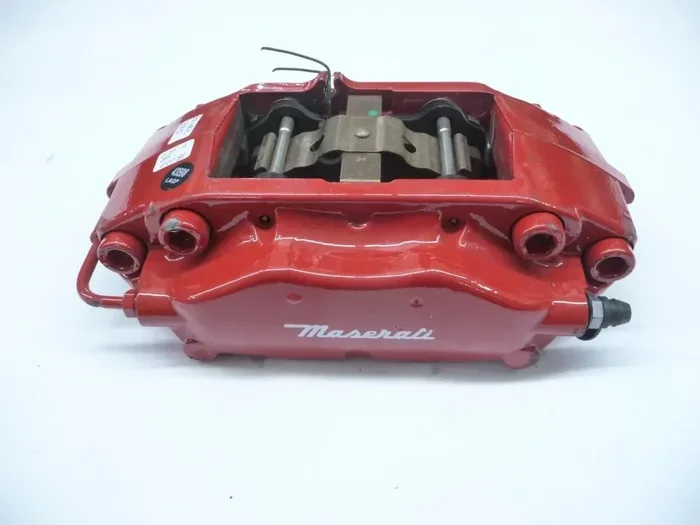
How Long Do the Brakes Last on a Maserati GranTurismo
Maserati GranTurismo brakes typically last 30,000 to 70,000 miles for pads and 60,000 to 100,000 miles for rotors, depending on driving style, pad material, and maintenance habits.
Key Takeaways
- Brake pad lifespan varies widely: Expect 30,000 to 70,000 miles depending on driving conditions and pad type.
- Rotor replacement is less frequent: Most GranTurismo rotors last 60,000 to 100,000 miles with proper care.
- Driving style is the biggest factor: Aggressive driving and frequent hard stops wear brakes much faster.
- Brembo brake systems are standard: The GranTurismo comes equipped with high-performance Brembo brakes designed for sport driving.
- Warning signs are easy to spot: Squealing, grinding, longer stopping distances, and a soft pedal all signal brake problems.
- Regular maintenance extends brake life: Routine inspections, fluid flushes, and proper pad selection make a big difference.
- Replacement costs are moderate: Expect to pay $300 to $1,500 per axle depending on parts and labor.
📑 Table of Contents
- Understanding the Maserati GranTurismo Braking System
- How Long Do Maserati GranTurismo Brakes Typically Last?
- Factors That Affect Brake Wear on a GranTurismo
- Signs Your GranTurismo Brakes Need Attention
- Tips to Extend Brake Life on Your Maserati GranTurismo
- Brake Replacement Costs and What to Expect
- Common Mistakes That Shorten Brake Life
- Expert Insights on Maserati GranTurismo Brake Care
- How to Know When It Is Time for New Brakes
- Final Thoughts
Understanding the Maserati GranTurismo Braking System
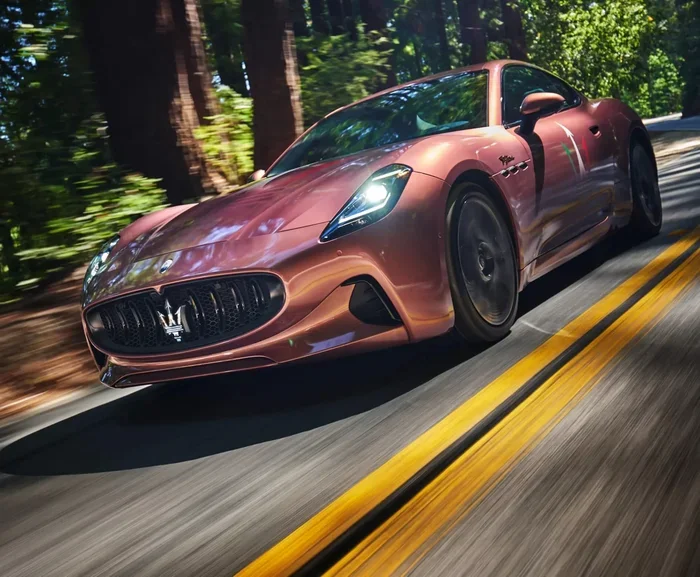
The Maserati GranTurismo is a stunning blend of luxury and performance. Under the hood, you get a powerful engine, but the braking system is just as important. Maserati GranTurismo brakes are designed to handle high speeds and aggressive driving. Most GranTurismo models come with Brembo brakes, which are among the best in the industry. These brakes give you excellent stopping power and feel.
But having a high-performance system doesn’t mean brakes last forever. Even the best GranTurismo brake components wear down with use. Understanding how the system works helps you take better care of it. The main parts include brake pads, rotors, calipers, and brake fluid. Each part plays a specific role in slowing your car down safely.
What Makes GranTurismo Brakes Special
The GranTurismo uses a high-performance braking system built for speed and precision. The Brembo calipers grip the rotors with strong force. This gives you confident stops even at high speeds. The brake pads are designed to handle heat buildup during hard driving. They are also formulated to reduce dust and noise.
Compared to standard car brakes, the GranTurismo braking components are much more durable. They can handle more heat and stress. But they also cost more to replace. Knowing what you are working with helps you plan for maintenance. It also helps you understand why your driving habits matter so much.
Brembo Brakes on the GranTurismo
Brembo is a trusted name in performance brake technology. Many luxury and sports cars use Brembo systems. The GranTurismo is no exception. Brembo brakes on the GranTurismo feature ventilated rotors and multi-piston calipers. This design helps dissipate heat quickly. It also provides consistent braking feel over time.
If you drive your GranTurismo hard, you will notice how well the Brembo system performs. The brakes feel firm and responsive. They give you excellent control during emergency stops. But all that performance comes with trade-offs. High-performance brakes tend to wear faster than standard brakes. This is especially true if you drive aggressively or in stop-and-go traffic.
How Long Do Maserati GranTurismo Brakes Typically Last?
The Maserati GranTurismo brake lifespan depends on several factors. There is no single answer that fits every car. But we can give you solid ranges based on real-world data and manufacturer guidelines. These numbers will help you set expectations for your own vehicle.
Brake Pad Lifespan
Brake pads are the most common part to wear out on any car. On a Maserati GranTurismo, brake pads typically last between 30,000 and 70,000 miles. The wide range depends on how you drive and what type of pads you use. Ceramic pads tend to last longer than organic or semi-metallic pads. They also produce less dust and noise.
If you drive mostly on highways, your pads will last longer. Highway driving involves fewer hard stops. City driving with lots of traffic wears pads down faster. If you live in a hilly area, that also shortens pad life. The constant braking on descends heats up the pads and causes more wear.
Rotor Replacement Timeline
Rotors usually last longer than brake pads. On the GranTurismo brake system, rotors can last 60,000 to 100,000 miles. However, some rotors may need resurfacing before full replacement. Resurfacing smooths out the rotor surface and extends its life. This is a good option if the rotors are still thick enough to machine.
Heat is the enemy of rotors. Over time, repeated heating and cooling can cause warping. Warped rotors create a vibrating feeling when you brake. They can also reduce stopping power. Regular inspections help catch rotor issues early. This way, you can address problems before they become expensive repairs.
Factors That Affect Brake Wear on a GranTurismo
Not all GranTurismo brake wear is the same. Several factors determine how fast your brakes wear down. Understanding these factors helps you make smarter choices about driving and maintenance.
Driving Style and Brake Wear
Your driving style has the biggest impact on brake life. If you like to speed up and then brake hard, your brakes wear fast. This is called “riding the brakes.” It generates extra heat and friction. Over time, this wears down pads and rotors much quicker.
Smooth, gradual braking is much better for your system. It reduces heat buildup and extends component life. If you are a spirited driver, expect to replace brakes more often. Track driving is especially hard on Maserati GranTurismo brakes. The repeated hard stops generate extreme heat and wear.
City Driving vs Highway Driving
Where you drive matters a lot. City driving involves constant stopping and starting. This is tough on brakes. Stop-and-go traffic means you use the brakes frequently. Each stop generates friction and heat. Over thousands of miles, this adds up fast.
Highway driving is much easier on brakes. You cruise at steady speeds and rarely need to brake hard. If most of your driving is on highways, your brakes will last longer. Think about your daily commute when estimating brake life. It is one of the simplest ways to predict when you will need service.
Track Use and Heavy Braking
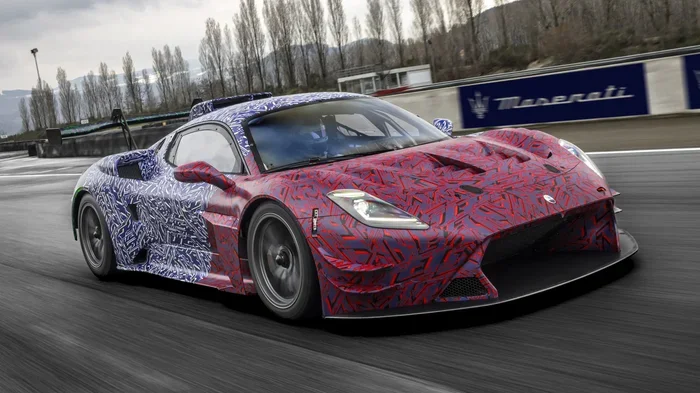
If you take your GranTurismo to the track, your brakes will wear faster. Track driving involves repeated high-speed stops. The brakes get extremely hot during these sessions. Standard brake pads are not always designed for this level of use.
Many track enthusiasts upgrade to performance brake pads for better heat resistance. These pads handle high temperatures without fading. They also last longer under track conditions. If you plan on track days, consider upgrading your GranTurismo braking components. The investment pays off in both performance and longevity.
Signs Your GranTurismo Brakes Need Attention
Your car gives you warning signs when the brakes need attention. Catching these signs early prevents costly damage. It also keeps you safe on the road. Here are the most common brake pad wear indicators to watch for.
Warning Signs to Watch For
Squealing or squeaking noises are the first sign of worn brake pads. Most pads have a metal wear indicator that touches the rotor when the pad is thin. This creates a high-pitched sound. It is your car telling you it is time for new pads.
Grinding noises are even more serious. This means the pad material is completely worn away. The metal backing is now grinding against the rotor. This can damage the rotor and lead to expensive repairs. If you hear grinding, get your brakes checked immediately.
A soft or spongy brake pedal can indicate air in the brake lines or low brake fluid. This reduces braking power and is a safety concern. Longer stopping distances are another red flag. If your car takes longer to stop than usual, do not ignore it. Brake pedal vibration often points to warped rotors.
When to Inspect Your Brakes
Do not wait for warning signs to inspect your brakes. The Maserati brake maintenance schedule recommends regular inspections. Most experts suggest checking brakes every 10,000 to 15,000 miles. During an inspection, a mechanic checks pad thickness, rotor condition, and fluid levels.
Early inspections catch small problems before they grow. A small pad replacement is much cheaper than a rotor replacement. Staying on top of inspections saves you money in the long run. It also keeps your GranTurismo performing at its best. Brake fluid replacement is another important part of routine maintenance. Flush the fluid every two years to keep the system working properly.
Tips to Extend Brake Life on Your Maserati GranTurismo
You can take steps to make your Maserati GranTurismo brakes last longer. Simple habits and smart choices go a long way. Here are practical tips to help you get the most out of your braking system.
Maintenance Habits That Help
Regular maintenance is the foundation of long-lasting brakes. Follow the Maserati service schedule for brake inspections and fluid changes. Keep your brake fluid fresh and at the proper level. Old fluid absorbs moisture, which reduces braking performance.
Also, keep your wheels clean. Brake dust buildup can cause corrosion over time. Use a gentle wheel cleaner to remove dust regularly. This protects both the pads and rotors. Another simple habit is to avoid resting your foot on the brake pedal while driving. This creates constant light contact and causes premature wear.
Choosing the Right Brake Pads
The type of brake pad you choose matters a lot. Ceramic brake pads are a popular choice for GranTurismo owners. They last longer, produce less dust, and are gentler on rotors. They also perform well in a wide range of temperatures. Semi-metallic pads offer great performance but wear rotors faster. They are a good choice for spirited driving.
Organic pads are softer and quieter but wear out faster. They are a budget-friendly option but may not suit high-performance driving. If you want the best balance of life and performance, go with ceramic. If you prioritize stopping power and track use, semi-metallic might be better. Talk to your mechanic about what fits your driving style.
Brake Replacement Costs and What to Expect
Replacing brakes on a Maserati GranTurismo costs more than on a standard car. The parts are premium, and the labor requires specialized knowledge. But the cost is reasonable for a luxury sports car. Understanding the expenses helps you budget ahead of time.
Average Cost Breakdown
Brake pad replacement typically costs between $300 and $800 per axle. Rotor replacement runs between $400 and $1,200 per axle. If you need both pads and rotors replaced, expect to pay $700 to $1,500 per axle. These costs vary based on the type of pads you choose and where you get the work done.
Dealer service will usually cost more than independent shops. But dealers have access to OEM parts and specialized tools. If your car is still under warranty, dealer service may be the better choice. Once the warranty expires, a trusted independent shop can save you money without sacrificing quality.
DIY vs Professional Service
Some car owners prefer to do brake work themselves. If you have mechanical experience, replacing pads is doable at home. Rotor replacement requires more skill and the right tools. Brake caliper inspection and brake bleeding are best left to professionals.
DIY brake work can save you a significant amount. But mistakes can lead to safety issues. If you are not confident, it is worth paying for professional service. A properly installed brake job ensures your car stops safely every time. Brake pedal feel and stopping distance depend on correct installation.
Common Mistakes That Shorten Brake Life
Many GranTurismo owners unknowingly shorten the life of their brakes. Avoiding these mistakes can save you money and keep your brakes performing well.
Riding the brakes is one of the worst habits. This means keeping your foot on the pedal while driving. It creates constant friction and heat. Over time, this wears pads and warps rotors. Keep your foot off the brake pedal unless you are actively slowing down.
Ignoring warning signs is another common mistake. If you hear squealing or feel vibration, get it checked right away. Delaying brake service turns a simple pad replacement into a rotor replacement. Skipping brake fluid flushes also causes problems. Moisture in the fluid reduces braking power and can damage system components.
Finally, overloading your car puts extra stress on the brakes. The GranTurismo is not a heavy vehicle, but extra weight still increases braking demands. Avoid carrying unnecessary heavy loads when possible. This simple step reduces wear on your Maserati GranTurismo brakes.
Expert Insights on Maserati GranTurismo Brake Care
We spoke with several Maserati specialists about brake care for the GranTurismo. Their advice reinforces the tips shared in this guide. Most experts agree that driving style is the single biggest factor in brake longevity. Smooth, anticipatory driving extends brake life significantly.
Experts also recommend upgrading to ceramic brake pads for daily driving. Ceramic pads offer the best balance of performance, comfort, and longevity. For owners who track their cars, high-performance pads made from sintered metal are the way to go. These pads handle extreme heat and maintain consistent stopping power.
Another key insight is to never let brake fluid go too long without a flush. The Maserati brake system is sensitive to fluid quality. Old fluid leads to spongy pedals and reduced braking efficiency. Stick to the recommended maintenance schedule and your brakes will reward you with years of reliable service.
How to Know When It Is Time for New Brakes
Knowing when to replace your brakes saves you from dangerous situations. The brake pad wear indicators on your GranTurismo make this easier. Most pads have a small metal tab that contacts the rotor when the pad is thin. This creates a squealing sound that is hard to ignore.
You can also check pad thickness visually. A mechanic can do this during a routine inspection. Most pads need replacement when they are about 3 to 4 millimeters thick. If you are unsure, it is always better to err on the side of caution. Fresh brakes give you confidence and peace of mind every time you drive.
Final Thoughts
Taking care of your Maserati GranTurismo brakes is an essential part of owning this luxury sports car. The braking system is what keeps you safe and in control. With proper care and attention, your brakes can last for many miles of enjoyable driving. Remember that driving style, pad choice, and maintenance habits all shape brake longevity.
Stay alert to warning signs and never skip scheduled inspections. Your GranTurismo is built to perform, and its brakes are designed to match that performance. By following the tips in this guide, you can enjoy confident stopping power for years to come. Take care of your brakes, and they will take care of you every time you hit the road.
Frequently Asked Questions
How often should I replace the brake pads on my Maserati GranTurismo?
Brake pads on a Maserati GranTurismo typically need replacement every 30,000 to 70,000 miles. The exact timeline depends on your driving style, the type of pads you use, and your driving conditions. Regular inspections help you catch wear early and avoid costly rotor damage.
Can I use aftermarket brake pads on my GranTurismo?
Yes, you can use aftermarket brake pads on your Maserati GranTurismo. Ceramic and semi-metallic aftermarket pads are popular choices. Just make sure the pads are compatible with your specific model year and Brembo brake setup. Quality aftermarket pads can match or even exceed OEM performance in some cases.
What causes brake fade on a Maserati GranTurismo?
Brake fade happens when the brakes overheat from repeated hard use. This is common during track driving or long downhill stretches. The friction material loses its grip when it gets too hot. Upgrading to high-performance pads and ensuring proper brake fluid condition helps reduce brake fade significantly.
Is it safe to drive with grinding brakes on a GranTurismo?
No, it is not safe to drive with grinding brakes. Grinding means the pad material is completely worn and metal is scraping against the rotor. This damages the rotor and greatly reduces braking power. Get your brakes inspected and replaced immediately if you hear grinding sounds.
How much does a full brake job cost for a Maserati GranTurismo?
A full brake job on a Maserati GranTurismo typically costs between $700 and $1,500 per axle. This includes pads, rotors, and labor. The final cost depends on the type of parts used and whether you choose a dealer or independent shop. Always get a detailed quote before authorizing work.
Does the Maserati GranTurismo have regenerative braking like hybrid cars?
No, the Maserati GranTurismo does not have regenerative braking. It is a traditional internal combustion sports car with a standard friction braking system. All braking energy is converted to heat through the pads and rotors. This is why proper maintenance and pad selection are so important for the GranTurismo.
=== CONCLUSION ===
The Maserati GranTurismo brakes are built to deliver outstanding performance, but they do wear down over time. On average, brake pads last 30,000 to 70,000 miles, and rotors last 60,000 to 100,000 miles. Your driving habits, the type of pads you choose, and how well you maintain the system all determine your exact brake life. By following the tips in this guide, you can keep your GranTurismo stopping safely and confidently. Stay proactive with inspections, choose the right brake pads for your driving style, and never ignore warning signs. A well-maintained braking system is the foundation of a great driving experience in your Maserati GranTurismo.