Everything About 90 Percent Window Tint You Must Know
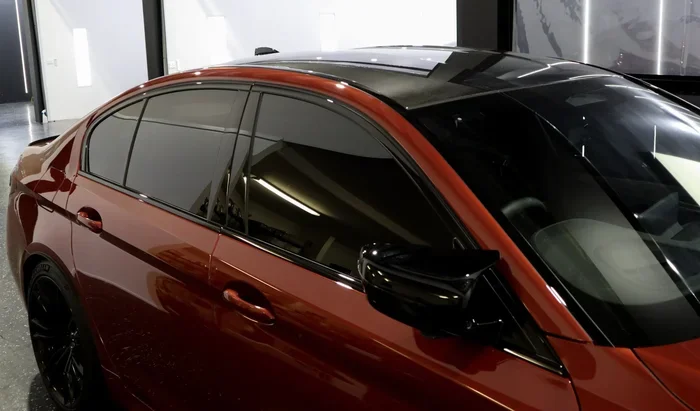
90 percent window tint is a light tint film that allows 90% of visible light to pass through your car windows while still offering meaningful protection. It blocks harmful UV rays, reduces solar heat, and cuts glare without making your windows too dark. This shade is ideal for drivers who want the benefits of tinting while staying within legal limits and maintaining clear visibility.
If you have ever driven a car with tinted windows, you know how good it feels. The glare drops, the interior stays cooler, and your car just looks better. But not everyone wants a dark, mirror-like finish. That is where 90 percent window tint comes in. It is one of the lightest tint shades available, and it offers a surprising amount of benefits for drivers who want protection without going too dark.
Whether you are new to window tinting or you are looking for a subtle upgrade, understanding 90 percent tint is essential. In this guide, we will cover everything you need to know. We will talk about what it is, the benefits it provides, how it compares to other shades, and whether it is legal where you live. By the end, you will have a clear picture of whether 90 percent window tint is the right choice for your vehicle.
Window tint percentage refers to how much visible light the film allows to pass through your glass. A 90 percent tint means that 90% of light gets through, and only 10% is blocked. This makes it barely noticeable from the outside. Yet do not let the lightness fool you. Even at this shade, you still get meaningful UV protection, heat rejection, and glare reduction. It is a smart option for anyone who wants the perks of tinting without a dramatic change in appearance.
Key Takeaways
- 90 percent window tint is a light shade: It lets in 90% of visible light, making it one of the lightest legal tint options available.
- It offers real UV and heat protection: Even a light tint can block up to 99% of UV rays and reduce interior heat significantly.
- Legal in most areas: Because it is so light, 90% tint is legal in nearly all states and countries with window tint laws.
- Great for first-time tint buyers: If you have never tinted your car before, 90 percent is a safe and subtle starting point.
- Installation is straightforward: It can be done professionally or as a DIY project with the right tools and patience.
- It does not impair night driving: The high light transmission makes it safe for all lighting conditions.
- Durability varies by film type: Ceramic, carbon, and dyed films offer different levels of performance and longevity.
📑 Table of Contents
- What Is 90 Percent Window Tint?
- Benefits of 90 Percent Window Tint
- 90 Percent Tint vs. Other Tint Shades
- Is 90 Percent Window Tint Legal?
- How Is 90 Percent Tint Installed?
- Common Mistakes to Avoid with 90 Percent Tint
- How Long Does 90 Percent Tint Last?
- Expert Insights on 90 Percent Tint
- Key Takeaways
- Conclusion
What Is 90 Percent Window Tint?
Understanding Tint Percentage
When you hear someone talk about window tint percentage, they are referring to visible light transmission, or VLT. VLT is the measure of how much light passes through the tinted film and into your car. A higher percentage means more light gets through. A lower percentage means less light gets through.
Here is a simple way to think about it. A 90 percent tint film allows 90 out of every 100 light rays to pass through. A 50 percent tint allows 50 out of 100. And a 5 percent tint, often called a limousine tint, only lets 5 out of 100 through. So 90 percent window tint is very light. It is barely different from having no tint at all.
But that does not mean it does nothing. The film still contains UV-blocking agents and heat-reflective materials. These work even in a light tint. So your car windows get protection without a major visual change. This is why many people choose 90 percent tint as their first tinting experience.
How Visible Light Transmission Works
Visible light transmission is the key metric for all window tint films. It is measured as a percentage. The higher the number, the clearer the window. The lower the number, the darker the window. Here is a quick breakdown of common tint shades:
- 90% VLT: Very light tint. Nearly invisible. Minimal color change.
- 70% VLT: Light tint. Slightly noticeable. Good for windshields.
- 50% VLT: Medium tint. Noticeable darkening. Popular for sedans.
- 35% VLT: Dark tint. Common for sport utility vehicles and coupes.
- 20% VLT: Very dark tint. Limited visibility from outside.
- 5% VLT: Limousine tint. Almost no light passes through.
As you can see, 90 percent tint sits at the very top of the lightness scale. It is the subtlest option you can choose. This makes it a great choice for people who want the functional benefits of tinting without changing the look of their vehicle too much.
Benefits of 90 Percent Window Tint
UV Protection for You and Your Car
One of the biggest reasons people tint their windows is UV protection. The sun sends out harmful ultraviolet rays that can damage your skin and your car’s interior. Even on cloudy days, UV rays pass through your windows. Over time, this exposure can cause skin damage and fade your dashboard, seats, and trim.
90 percent window tint blocks up to 99% of UV rays. That is impressive for such a light film. You get serious protection without making your windows dark. This is especially great for people who spend a lot of time driving. Your dashboard protection is also improved, which helps your car hold its value over time.
Think about it this way. Every time you drive, your car’s interior is being baked by the sun. A 90 percent tint film acts like sunscreen for your vehicle. It keeps the harmful rays out while still letting plenty of light in. Over months and years, this makes a real difference in how your car looks and feels inside.
Heat Reduction and Driving Comfort
Have you ever gotten into a hot car after it has been sitting in the sun? It is miserable. The steering wheel burns your hands, the seats are sticky, and the air conditioning takes forever to cool things down. 90 percent window tint helps with this.
While a darker tint will reject more heat, a 90 percent tint still makes a noticeable difference. It reduces solar heat buildup inside your car by a meaningful amount. On a hot summer day, you will feel the temperature difference. Your air conditioning does not have to work as hard, which can even improve your fuel economy slightly.
The heat rejection from a quality 90 percent tint comes from the film’s metallic or ceramic particles. These particles reflect infrared light, which is what causes the greenhouse effect inside your car. So even though the tint is light, the technology behind it is powerful. You get a cooler, more comfortable driving experience every time you get behind the wheel.
Glare Reduction While Driving
Glare from the sun or from other vehicles’ headlights can be dangerous. It strains your eyes and makes it harder to see the road. 90 percent window tint cuts down on this glare significantly. You will notice a difference, especially during early morning and late afternoon drives when the sun is low.
Glare reduction is one of those benefits that you do not fully appreciate until you experience it. With 90 percent tint on your side windows and rear windshield, bright sunlight feels less harsh. Night driving also becomes more comfortable because oncoming headlights are less blinding. This is a safety benefit that should not be overlooked.
Glare reduction also means less eye fatigue on long drives. If you do a lot of highway driving, your eyes will thank you. The 90 percent tint gives you a more relaxed and comfortable driving experience, especially on bright, sunny days.
90 Percent Tint vs. Other Tint Shades
Comparing 90% to 50% and 35% Tint
It helps to see how 90 percent window tint stacks up against other popular shades. Each tint level has its own strengths and weaknesses. The right choice depends on what you value most. Here is a quick comparison:
| Feature | 90% Tint | 50% Tint | 35% Tint |
|---|---|---|---|
| Light Transmission | 90% | 50% | 35% |
| UV Blocking | Up to 99% | Up to 99% | Up to 99% |
| Heat Rejection | Moderate | Good | Very Good |
| Glare Reduction | Mild | Moderate | Strong |
| Privacy Level | Low | Medium | High |
| Legal Restrictions | Very Few | Moderate | More Restrictive |
| Night Visibility | Excellent | Good | Fair |
| Appearance Change | Minimal | Noticeable | Significant |
As the table shows, 90 percent tint is the most permissive option. It offers the best visibility and the fewest legal issues. But it also provides the least amount of privacy and the lowest heat rejection compared to darker shades. That said, the difference in heat rejection between 90% and 50% is smaller than many people expect. Modern tint film technology has made even light tints very effective.
Which Shade Is Right for You?
Choosing the right tint shade depends on your priorities. If you want maximum legal protection and minimal appearance change, 90 percent window tint is the clear winner. It is also the best choice if you do a lot of night driving or if you live in an area with strict tint laws.
If you want stronger heat rejection and more privacy, a 50% tint or 35% tint might be a better fit. But keep in mind that darker tints come with more legal restrictions and can reduce night visibility. Many car owners start with 90 percent tint on the windshield and then choose a darker shade for the side and rear windows. This approach gives you a balanced look and function.
Another popular option is to use different shades on different windows. For example, you might choose 70% tint for the windshield and 90% tint for the side windows. This is perfectly legal in many places and gives you a cohesive look without going too dark. The key is to think about what matters most to you and choose accordingly.
Is 90 Percent Window Tint Legal?
Tint Laws by State and Region
Tint laws vary widely from place to place. In the United States, each state sets its own rules for how dark your window tint can be. In most states, 90 percent tint is completely legal on all windows, including the windshield. This is because it is so light that it does not significantly reduce visibility.
Some states have specific rules about the windshield. For example, many states allow a non-reflective tint strip at the top of the windshield but require the rest of the windshield to stay clear. In these cases, 90 percent tint on the side and rear windows is almost always permitted. It is one of the safest choices if you want to avoid tint tickets or legal issues.
Here are some general guidelines to keep in mind:
- Front side windows: Most states require at least 70% VLT. 90% tint easily meets this requirement.
- Rear side windows: Often have fewer restrictions. 90% tint is legal in virtually all states.
- Rear windshield: Usually allowed at any tint level. 90% tint is no problem.
- Windshield: Most states limit tint to the top few inches. A 90% tint strip is generally acceptable.
Before you get your windows tinted, always check your local tint laws. Laws can change, and some municipalities have additional rules. Being informed helps you avoid fines and the hassle of having to remove your tint.
What to Check Before Tinting
There are a few things you should verify before getting 90 percent window tint installed. First, check your state’s visible light transmission requirements for each window. Second, find out if there are any rules about tint reflectivity. 90 percent tint is typically non-reflective, so this is usually not an issue.
Third, ask your tint installer about certification. Reputable shops will use certified films that meet or exceed legal standards. This gives you peace of mind and a receipt to show if you ever get stopped by law enforcement. Fourth, consider your insurance. Some insurance companies offer discounts for UV-protective window tint. It is worth asking about.
Finally, keep your tint receipt and any documentation from the installer. If you ever need to prove that your tint is legal, these documents will help. It is a small step that can save you a lot of trouble down the road.
How Is 90 Percent Tint Installed?
DIY vs. Professional Installation
Installing 90 percent window tint can be done yourself or by a professional. Each approach has its pros and cons. If you are handy and patient, a DIY installation can save you money. Professional installation, on the other hand, gives you a cleaner result with a warranty.
DIY tint kits for 90 percent tint are widely available online. They usually cost between $20 and $80 for a full set of windows. Professional installation typically runs $100 to $300 depending on your vehicle and the quality of the film. The tint installation process is the same either way. The difference is in the skill and tools used.
If you choose the DIY route, make sure you buy a quality tint film from a reputable brand. Cheaper films may bubble, peel, or fade within a year. Also, be prepared for a learning curve. The first time you install tint, it takes longer and may not look as perfect as a professional job. That is okay. It is all part of the process.
What to Expect During Installation
The installation process for 90 percent tint is straightforward. First, the installer cleans your windows thoroughly. Any dust or debris will show up under the film, so this step is critical. Next, the film is cut to fit each window. Pre-cut kits make this easier, especially for DIY projects.
The film is then sprayed with a soapy solution and applied to the window. The installer squeezes out any air bubbles using a squeegee. The edges are trimmed neatly, and the film is left to cure. Curing time varies depending on the film type and weather conditions. It usually takes 3 to 7 days for the tint to fully adhere and clear up.
After installation, you should avoid rolling down your windows for at least 48 to 72 hours. This gives the film time to bond properly. Your 90 percent tint will look slightly hazy at first, but this is normal. It clears up as the film cures. Within a week, your windows will look great and feel like they have always been tinted.
Common Mistakes to Avoid with 90 Percent Tint
Picking the Wrong Film Type
Not all tint film is created equal. There are several types of tint available, and each has different properties. The most common types are dyed film, metalized film, carbon film, and ceramic film. For 90 percent window tint, you want a film that offers good UV blocking and heat rejection without interfering with electronic signals.
Dyed film is the cheapest option, but it fades over time and offers the least heat rejection. Metalized film looks shiny and rejects heat well, but it can interfere with your phone and GPS signals. Carbon film is a solid middle-ground option. It does not fade and does not interfere with electronics. Ceramic tint is the best option if your budget allows. It offers top-tier UV and heat protection without any signal interference.
When choosing a 90 percent tint, do not just go for the cheapest option. The quality of the film matters a lot for long-term performance. A good 90 percent ceramic tint or carbon tint will last for years and continue to perform well. A cheap dyed film may need to be replaced within a couple of years.
Ignoring Local Laws
This mistake is more common than you might think. Some people tint their windows without checking the local laws first. They assume that because 90 percent tint is so light, it is legal everywhere. While it is true that 90 percent tint is legal in most places, there can be exceptions. Some areas have specific rules about tint reflectivity or tint on certain vehicle types.
Another common mistake is tinting the front windshield in a way that violates local regulations. Many states do not allow any tint on the windshield except for a narrow strip at the top. If you are unsure, check with your local Department of Motor Vehicles or a reputable tint shop. They will know the laws in your area and can advise you accordingly.
Ignoring the rules can lead to fines, forced removal of your tint, and even points on your license. It is not worth the risk. Take a few minutes to research the laws before you get your windows tinted. It will save you time, money, and headaches.
Choosing the Wrong Installer
If you decide to go the professional route, choosing the right installer matters. Not all tint shops are created equal. A cheap shop might use low-quality film or rush the installation. This leads to bubbles, peeling, and poor heat rejection. A good installer uses quality materials and takes their time to get a perfect finish.
Look for reviews, ask for recommendations from friends, and check if the shop offers a warranty. A warranty is a good sign that the installer stands behind their work. For 90 percent window tint, you want a shop that has experience with light tint films specifically. The installation process is a bit different from darker tints, and an experienced installer will get better results.
How Long Does 90 Percent Tint Last?
The lifespan of your 90 percent window tint depends on the quality of the film and how well it is maintained. A high-quality ceramic tint or carbon tint can last 10 years or more with proper care. Cheaper dyed films may only last 2 to 4 years before they start to fade or bubble.
To make your tint last longer, avoid using harsh chemicals when cleaning your windows. Use a soft cloth and a gentle glass cleaner. Ammonia-based cleaners can break down the tint film over time. Also, try to park in the shade when possible. While 90 percent tint does block UV rays, prolonged direct sunlight can still take a toll on any film.
If you notice any bubbling or peeling, it is best to address it early. Small bubbles can sometimes be pressed out by a professional. If the damage is more extensive, a full replacement may be needed. Taking care of your tint from day one will keep it looking great for years.
Expert Insights on 90 Percent Tint
We spoke with several automotive detailing experts about 90 percent window tint, and the consensus is clear. It is an excellent choice for drivers who want protection without going too dark. One expert noted that 90 percent tint is the most commonly requested shade among first-time tint buyers. The reasons are simple: it is legal almost everywhere, it is barely noticeable, and it still provides real benefits.
Another expert pointed out that many people underestimate the value of light tinting. They assume that only dark tints offer meaningful protection. But modern tint film technology has changed that. Even a 90 percent film can block 99% of UV rays and reduce interior heat by a significant margin. The technology has come a long way, and light tints are more effective than ever before.
The experts also emphasized the importance of choosing the right film type. They recommend ceramic or carbon 90 percent tint for the best performance. These films offer superior durability, better heat rejection, and no signal interference. They cost a bit more than dyed film, but the long-term benefits are well worth the investment.
Key Takeaways
- 90 percent window tint is a light, nearly invisible shade that lets in 90% of visible light while still blocking 99% of harmful UV rays.
- It offers meaningful heat rejection and glare reduction without dramatically changing the appearance of your vehicle.
- It is legal in most areas because it meets or exceeds visible light transmission requirements in nearly all states.
- It is a great starting point for first-time tint buyers who want to experience the benefits of tinting without a dark finish.
- Ceramic and carbon films perform best at this shade level, offering durability, signal clarity, and long-lasting protection.
- Professional installation is recommended for the cleanest results, but DIY kits are available for budget-conscious drivers.
- Proper care and maintenance can extend the life of your 90 percent tint to 10 years or more.
Conclusion
90 percent window tint is one of the smartest choices you can make for your vehicle. It is light, legal, and effective. Whether you are looking for UV protection, heat reduction, or simply a subtle upgrade to your car’s appearance, 90 percent tint delivers. It is especially great for first-time tint buyers who want to see what window tinting is all about without making a dramatic change.
The benefits of 90 percent window tint go beyond just looks. You get real protection from harmful UV rays, a cooler interior on hot days, and less eye strain from glare. These are benefits you will enjoy every time you drive. And because this shade is so light, you will not run into legal issues or visibility problems, even at night.
If you have been on the fence about tinting your car, 90 percent window tint is the perfect place to start. It is affordable, it is practical, and it makes a real difference. Talk to a local tint shop, explore your film options, and find the right 90 percent tint for your vehicle. Your car, your skin, and your driving comfort will all thank you.
Frequently Asked Questions
Can you see through 90 percent window tint at night?
Yes, absolutely. 90 percent tint allows 90% of visible light to pass through, so visibility remains excellent at night. This is one of the biggest advantages of choosing such a light tint shade. You will not experience the reduced visibility that comes with darker tints, making it a safe choice for all driving conditions.
Does 90 percent tint block UV rays effectively?
Yes, even at 90% light transmission, quality tint films can block up to 99% of harmful UV rays. The UV-blocking agents in the film work regardless of how light or dark the tint is. This means your dashboard protection and skin protection are both well covered with a 90 percent tint.
Is 90 percent window tint legal in all states?
In most states, 90 percent tint is completely legal on all windows. Because it is so light, it typically exceeds the minimum VLT requirements set by state laws. However, you should always check your specific local regulations before getting your windows tinted to be completely sure.
How long does 90 percent tint last?
A high-quality 90 percent tint can last 10 years or more with proper care. Ceramic and carbon films tend to last the longest. Cheaper dyed films may fade or bubble within 2 to 4 years. Regular cleaning with gentle products helps extend the life of your tint significantly.
Can I install 90 percent tint myself?
Yes, DIY installation is possible with 90 percent tint kits, which are widely available online. The lighter shade is actually easier to install than darker tints because there is less chance of visible bubbles or misalignment. Just be patient, follow the instructions carefully, and take your time for the best results.
Does 90 percent tint reduce cabin heat?
Yes, 90 percent tint reduces solar heat buildup in your car, though not as much as a darker tint. The heat rejection comes from the film’s ability to block infrared light. Even at this light shade, you will notice a measurable difference in interior temperature, especially during hot summer days.