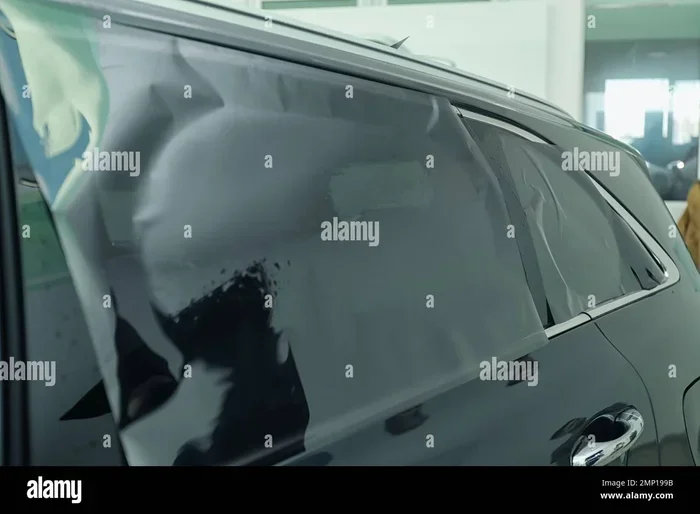
Everything You Need to Know About 43 Percent Window Tint
43 Percent Window Tint is a popular car window film choice that offers a great balance of heat rejection, UV protection, and visible light. It blocks a significant amount of solar heat while keeping your windows looking relatively light and clear. This guide covers everything you need to know, from benefits and legal rules to installation tips and comparisons with other tint shades.
Have you been looking into 43 Percent Window Tint for your car? Maybe you saw it online, heard about it from a friend, or walked past a shop and noticed the nice, subtle look on someone else’s vehicle. Either way, you are in the right place. This guide breaks down everything you need to know about 43 Percent Window Tint in simple, easy-to-understand terms. By the end, you will know exactly what this tint shade offers, whether it fits your needs, and how to get the best results.
Window tinting is one of the simplest upgrades you can make to your car. It improves comfort, protects your interior, and gives your vehicle a polished look. But with so many tint percentages out there, choosing the right one can feel overwhelming. That is exactly why we created this guide. We will walk you through the specifics of 43 Percent Window Tint step by step, so you can make a confident decision.
Key Takeaways
- Balanced Performance: 43 Percent Window Tint offers a solid mix of heat rejection, UV blocking, and natural light transmission for everyday driving comfort.
- Legal-Friendly in Many States: A 43% VLT tint is often legal for front side windows in most US states, making it a safe choice for compliance.
- Multiple Film Types Available: You can choose from dyed, carbon, ceramic, and hybrid films at the 43% shade level, each with different performance and price points.
- Easy DIY or Professional Install: 43 Percent Window Tint is beginner-friendly and can be installed at home or by a professional for best results.
- Interior Protection: This tint shade helps protect your car seats, dashboard, and electronics from sun damage and fading over time.
- Glare Reduction Improves Safety: A 43% tint significantly reduces road glare from sun and headlights, making daytime and nighttime driving more comfortable.
📑 Table of Contents
- What Is 43 Percent Window Tint?
- Benefits of 43 Percent Window Tint
- How Does 43 Percent Tint Compare to Other Shades?
- Legal Considerations for 43 Percent Window Tint
- How to Choose the Right 43 Percent Tint Film
- Installation Tips for 43 Percent Window Tint
- How Long Does 43 Percent Window Tint Last?
- Does 43 Percent Tint Affect Nighttime Driving?
- Cost of 43 Percent Window Tint
- Expert Insights on 43 Percent Window Tint
- Key Takeaways
- Frequently Asked Questions
- Conclusion
What Is 43 Percent Window Tint?
Let us start with the basics. When we talk about 43 Percent Window Tint, we are referring to the amount of light the film allows to pass through your car windows. This measurement is called Visible Light Transmission, or VLT for short. A 43% VLT tint means that 43 percent of visible light gets through the film, and the remaining 57 percent gets blocked.
Think of it like sunglasses for your car windows. The higher the percentage, the lighter the tint. A 5% tint is very dark and almost black. A 70% tint is barely noticeable. A 43% tint falls right in the middle, offering a noticeable but not overpowering look. It gives your car a sleek, refined appearance without going too dark.
43 Percent Window Tint is typically made from several types of film materials. These include dyed film, carbon film, ceramic film, and hybrid film. Each type has its own strengths. Some focus on heat rejection, others on durability, and some on clarity. We will cover these differences in more detail later in this article.
How VLT Works
Visible Light Transmission is the key metric for any window tint. It tells you how much natural light passes through the glass and film combined. When you apply a 43% tint film to your car window, the VLT drops from the factory glass level (usually around 70-80% for most cars) down to approximately 43%. This is a significant reduction that makes a real difference in comfort and appearance.
The VLT percentage also affects how dark your car looks from the outside. A 43% tint gives your side windows and rear windshield a medium-dark shade that looks clean and professional. It is dark enough to provide privacy and reduce glare, but light enough to pass most state regulations for front side windows.
Benefits of 43 Percent Window Tint
Now that you understand what 43 Percent Window Tint is, let us talk about why so many car owners choose it. The benefits go well beyond just looks. This tint shade delivers real, practical advantages for your daily driving experience.
Heat Rejection and Comfort
One of the biggest reasons people tint their windows is to reduce heat. When sunlight hits your car, it turns the interior into an oven, especially during summer months. 43 Percent Window Tint blocks a large portion of solar energy, which means your car stays cooler. You do not have to blast the air conditioning as hard, which can actually improve your fuel economy over time.
Here is a quick look at what you can expect:
- Reduced cabin temperature: Your car interior stays noticeably cooler, especially on hot days.
- Less AC strain: Your cooling system does not have to work as hard.
- Better fuel efficiency: Less AC usage means slightly better gas mileage.
- Faster cooling: Your car reaches a comfortable temperature quicker after parking.
UV Protection for You and Your Car
Sunlight contains harmful ultraviolet rays that can damage your skin and your car interior. A good 43 Percent Window Tint film blocks up to 99% of UV rays. This is a big deal for two reasons. First, it protects your skin from long-term sun exposure during those long commutes. Second, it prevents your dashboard, seats, and trim from fading and cracking over time.
If you spend a lot of time driving, UV protection is not a luxury, it is a necessity. Even on cloudy days, UV rays penetrate through your windows. A quality tint film acts as a shield that keeps you and your car looking great for years.
Glare Reduction for Safer Driving
Glare from the sun and other vehicles’ headlights can be distracting and even dangerous. 43 Percent Window Tint cuts down on this glare significantly. You will notice a difference during early morning drives, late afternoon trips, and nighttime driving when other cars have their high beams on.
Less glare means less eye strain. Over long drives, this can make a real difference in how comfortable and alert you feel. It is one of those benefits that you do not fully appreciate until you experience it firsthand.
Privacy and Security
A 43% tint gives your car a medium level of privacy. People outside cannot easily see into your vehicle, which is great for protecting your belongings. If you leave a bag or jacket on your back seat, it is less likely to attract attention from potential thieves.
This added privacy also makes your car feel more personal and secure. You do not have to worry about people glancing in every time you stop at a traffic light.
Interior Protection and Longevity
Sun damage is one of the biggest enemies of your car interior. Over time, UV rays cause leather to crack, fabric to fade, and plastic to turn brittle. 43 Percent Window Tint helps slow this process down significantly. Your seats, dashboard, and center console will look newer for longer, which helps maintain your car’s resale value.
Think of window tint as an investment in your car’s long-term health. It is one of those upgrades that pays for itself by preserving the condition of your interior.
How Does 43 Percent Tint Compare to Other Shades?
To really understand what 43 Percent Window Tint offers, it helps to see how it compares to other popular tint shades. Different percentages serve different purposes, and knowing the differences will help you pick the right one for your needs.
Comparison Table: Common Tint Percentages
Here is a simple comparison of popular tint shades and what they offer:
- 50% Tint: A very light tint that blocks about half the light. Great for subtle UV protection and heat reduction without a dramatic dark look. Often chosen by people who want a legal front-side tint with a clean, barely-there appearance.
- 35% Tint: A darker shade that offers more privacy and heat rejection than 50%. Popular among car enthusiasts who want a sporty look while still maintaining good visibility.
- 20% Tint: A noticeably dark tint that provides strong privacy and excellent heat rejection. Often used on rear windows. Front side window legality varies by state.
- 5% Tint (Limousine Tint): The darkest option available. Offers maximum privacy and heat rejection but significantly limits visibility. Usually only legal on rear windows in most states.
43 Percent Window Tint sits comfortably between 50% and 35%. It offers a darker, more polished look than 50% while still being light enough for good visibility and legal compliance in many states. It is a sweet spot that appeals to a wide range of car owners.
Which Tint Percentage Is Right for You?
The right choice depends on your priorities. If you want maximum heat rejection and privacy, a darker tint like 20% or 35% might be better. If you want a subtle upgrade with minimal darkening, 50% is a great option. But if you want a balance of style, comfort, performance, and legality, 43 Percent Window Tint is hard to beat.
Consider what matters most to you. Do you care more about keeping your car cool? Or is the appearance the top priority? Maybe legal compliance is your biggest concern. Whatever your answer, there is a tint percentage that fits. But for many drivers, 43% hits the mark perfectly.
Legal Considerations for 43 Percent Window Tint
Window tint laws vary from state to state, and they can also differ for the front side windows, rear side windows, and rear windshield. Before you install 43 Percent Window Tint, it is essential to understand the rules in your area. Getting caught with illegal tint can result in fines, and you may be required to remove the film.
Front Side Window Rules
In most US states, front side windows must allow at least 50% VLT. This means a 43% tint would technically be too dark for front side windows in those states. However, some states allow lower VLT percentages for front side windows. For example, certain states permit 35% or even lower on the front windows.
Here is the key takeaway: always check your state’s specific window tint laws before purchasing or installing 43 Percent Window Tint on your front side windows. If your state requires 50% or higher on the front, you may want to apply 43% only to the rear windows and rear windshield instead.
Rear Windows and Rear Windshield
The good news is that most states allow darker tints on rear side windows and the rear windshield. A 43% tint is almost always legal for these windows in the United States. This makes 43 Percent Window Tint a very practical choice for the back of your car, where you get the benefits of heat rejection, privacy, and UV protection without worrying about legal issues.
Medical Exemptions
Some states offer medical exemptions for darker window tints. If you or a passenger has a medical condition that requires protection from sunlight, you may be able to get a special permit. Check with your state’s Department of Motor Vehicles to see if this option is available.
How to Choose the Right 43 Percent Tint Film
Not all 43 Percent Window Tint films are created equal. The material, quality, and brand all matter when it comes to performance and longevity. Here is what you need to know about the different types of tint film available at the 43% shade.
Dyed Window Tint Film
Dyed film is the most affordable option. It uses layers of dye to absorb heat and reduce light transmission. A dyed 43% tint looks great and provides decent heat rejection. However, dyed film tends to fade over time, especially with heavy sun exposure. It may also bubble or peel after several years. If you are on a tight budget, dyed 43 Percent Window Tint is a reasonable starting point.
Carbon Window Tint Film
Carbon film offers a step up in quality. It does not fade like dyed film because it uses carbon particles to block heat. Carbon 43% tint has a matte finish that looks sleek and modern. It also provides better heat rejection than dyed film and tends to last longer. For many car owners, carbon is the best balance of price and performance.
Ceramic Window Tint Film
Ceramic film is the premium option. It uses nano-ceramic particles to block heat without interfering with electronic signals. This means your GPS, phone signals, and radio reception stay crystal clear. Ceramic 43 Percent Window Tint offers the best heat rejection, UV protection, and clarity of any film type. It is also the most expensive. If you want top-tier performance and do not mind the higher price, ceramic is the way to go.
Hybrid Window Tint Film
Hybrid film combines elements of dyed and ceramic layers. It offers better performance than dyed film at a lower price than full ceramic. A hybrid 43% tint is a solid middle-ground choice for those who want improved durability and heat rejection without paying the premium price of ceramic.
Quick Tips for Choosing Your Film
- Set a budget first: Know how much you are willing to spend before shopping.
- Prioritize your needs: Decide whether heat rejection, UV protection, or appearance matters most to you.
- Read reviews: Look for feedback from other car owners who have used the same film.
- Check the warranty: Quality films come with warranties that cover fading, bubbling, and peeling.
- Buy from a reputable brand: Well-known brands like 3M, Llumar, and SunTek offer reliable 43 Percent Window Tint options.
Installation Tips for 43 Percent Window Tint
Installing 43 Percent Window Tint can be done at home or by a professional. Each approach has its pros and cons. Let us walk through what you need to know either way.
DIY Installation
If you are handy and patient, you can install 43% tint yourself. DIY installation saves money, but it requires precision and the right tools. You will need a tint application kit that includes the film, a squeegee, a spray bottle with soapy water, and a utility knife.
Here are some tips for a successful DIY install:
- Clean your windows thoroughly: Any dust or debris under the film will create bumps and bubbles.
- Work in a dust-free environment: A garage with the door closed works best. Avoid windy or humid days.
- Cut the film slightly larger than the window: You can trim it down to fit perfectly.
- Use plenty of soapy water: This lets you slide the film into position before squeegeeing out the excess liquid.
- Smooth out bubbles carefully: Use the squeegee from the center outward to push bubbles toward the edges.
- Let it cure for at least a week: Avoid rolling down your windows for several days to let the film fully adhere.
Professional Installation
If you want a flawless finish without the hassle, professional installation is the way to go. A skilled installer has the experience, tools, and environment to apply 43 Percent Window Tint perfectly. The job will look clean, with no bubbles, peeling, or misalignment.
Professional installation typically costs between $100 and $300 for a full car, depending on the film type and your location. It is a worthwhile investment if you want the best possible result and do not want to risk mistakes from a DIY attempt.
Common Mistakes to Avoid
- Skipping window cleaning: Dirty windows lead to poor adhesion and visible imperfections.
- Applying in direct sunlight: The heat causes the film to dry too fast, making it hard to position correctly.
- Using low-quality tools: A cheap squeegee can leave streaks or scratch the film.
- Not following cure time instructions: Rolling down your windows too early can peel the edges of the film.
- Ignoring local tint laws: Installing an illegal tint leads to fines and the hassle of removal.
How Long Does 43 Percent Window Tint Last?
The lifespan of 43 Percent Window Tint depends on the film type, installation quality, and how well you maintain it. On average, you can expect the following:
- Dyed film: 3 to 5 years before fading or bubbling becomes noticeable.
- Carbon film: 5 to 7 years with minimal fading and good durability.
- Ceramic film: 10+ years, making it the longest-lasting option by a wide margin.
- Hybrid film: 5 to 8 years, offering a balance of durability and affordability.
To extend the life of your tint, avoid using harsh chemicals when cleaning your windows. Use a soft microfiber cloth and a gentle glass cleaner. Also, be careful not to scratch the film with seat belts or sharp objects. With proper care, your 43 Percent Window Tint will look great and perform well for many years.
Does 43 Percent Tint Affect Nighttime Driving?
This is one of the most common concerns people have before tinting their windows. The good news is that 43 Percent Window Tint is light enough that it does not significantly impair nighttime visibility. You will still be able to see the road clearly, read street signs, and spot pedestrians in low-light conditions.
However, if you frequently drive in very dark or rural areas with no streetlights, you might notice a slight reduction in light compared to untinted windows. For most urban and suburban driving, a 43% tint has no meaningful impact on nighttime safety. If you are still concerned, you can always apply the tint only to the rear windows and keep your front side windows lighter.
Cost of 43 Percent Window Tint
The cost of 43 Percent Window Tint varies based on the film type, the number of windows, and whether you choose DIY or professional installation. Here is a rough breakdown:
- Dyed film: $50 to $150 for a full car (DIY kit) or $150 to $250 professionally.
- Carbon film: $100 to $250 for a full car (DIY kit) or $200 to $400 professionally.
- Ceramic film: $200 to $500 for a full car (DIY kit) or $400 to $800 professionally.
- Hybrid film: $100 to $300 for a full car (DIY kit) or $200 to $450 professionally.
These prices are approximate and can vary based on your location and the specific brand you choose. Remember that higher-quality film costs more upfront but lasts longer and performs better, which makes it a smarter long-term investment.
Expert Insights on 43 Percent Window Tint
According to automotive tinting experts, 43 Percent Window Tint is one of the most versatile shade options available. It works well for daily drivers, family cars, and even performance vehicles. The key is choosing the right film material for your climate and priorities.
Experts also emphasize the importance of legal compliance. Tint laws exist for safety reasons, primarily to ensure drivers have adequate visibility. Staying within the legal limits protects you from fines and keeps you and other drivers safe on the road.
Another expert tip is to invest in UV protection even if you choose a lighter tint. Even a 43% shade blocks a significant amount of UV rays, but pairing it with a high-quality ceramic or carbon film maximizes your protection. Your skin and your car interior will thank you over the years.
Key Takeaways
- 43 Percent Window Tint is a versatile, mid-range tint shade that balances style, comfort, and legal compliance.
- Heat rejection and UV protection are standout benefits that make your daily drives more comfortable and protect your car interior.
- Glare reduction improves both daytime and nighttime driving safety by cutting down on distracting light.
- Legal considerations vary by state, so always check your local window tint laws before installation, especially for front side windows.
- Film material matters: ceramic offers the best performance, carbon is a great mid-range choice, and dyed is the most budget-friendly.
- Professional installation delivers the cleanest results, but DIY is possible with patience and the right tools.
- With proper care, a quality 43 Percent Window Tint can last anywhere from 5 to 10+ years, making it a smart investment for your vehicle.
Frequently Asked Questions
Is 43 percent window tint legal for front side windows?
It depends on your state. Some states allow 43% VLT on front side windows, while others require 50% or higher. Check your local window tint laws before applying 43 Percent Window Tint to your front doors. When in doubt, apply it only to the rear windows and rear windshield, which typically have fewer restrictions.
How much does 43 percent window tint cost?
The cost ranges from about $50 for a DIY kit to $800 for professional ceramic installation on a full car. The price depends on the film material, the number of windows, and whether you hire a professional. Carbon and hybrid films are popular mid-range options that balance cost and performance.
Does 43 percent tint block UV rays?
Yes, a quality 43 Percent Window Tint film blocks up to 99% of harmful UV rays. This level of protection helps keep your skin safe during long drives and prevents your car interior from fading and cracking. Always check the UV rejection rating when choosing your film.
Can I apply 43 percent tint myself?
Absolutely. 43 Percent Window Tint is one of the more beginner-friendly tint shades because it is not too dark, which makes alignment and bubble removal easier. You will need a tint kit, a few basic tools, and a dust-free workspace. Just follow the instructions carefully and take your time.
How long does 43 percent window tint take to cure?
Most tint films take about 3 to 7 days to fully cure, though this can vary based on the film type and weather conditions. During the curing period, avoid rolling down your windows and keep your car out of direct sunlight as much as possible. Your tint will look its best once it has fully set.
What is the difference between 43 percent and 35 percent tint?
The main difference is darkness and light transmission. A 35% tint lets in less light than a 43% tint, making it darker and offering more privacy and heat rejection. However, 35% tint may be illegal for front side windows in some states. 43 Percent Window Tint provides a good middle ground that works for most drivers and stays within legal limits in more locations.
Conclusion
43 Percent Window Tint is an excellent choice for car owners who want a balanced upgrade that looks great and performs even better. It offers meaningful heat rejection, strong UV protection, effective glare reduction, and a stylish appearance, all while staying within legal limits in most states. Whether you choose to install it yourself or hire a professional, this tint shade delivers real value for your daily driving experience.
Take the time to choose the right film material for your budget and needs. Consider your local laws, your climate, and how much time you spend driving. With the right 43 Percent Window Tint, your car will look better, feel more comfortable, and stay protected from the sun for years to come. Make the upgrade today and enjoy the difference on your very next drive.