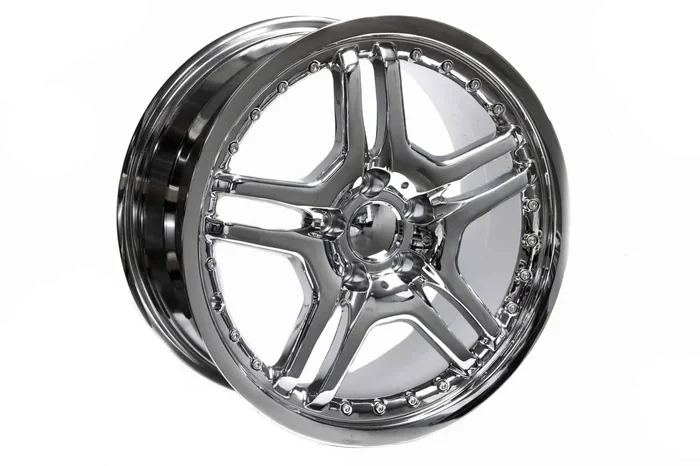
17 Inch Car Rims That Will Upgrade Your Ride Today
17 inch car rims are one of the most popular wheel upgrades for everyday drivers and car enthusiasts alike. They strike the perfect balance between style, performance, and affordability. Whether you want a sleek look or better handling, 17 inch rims deliver real results. This guide covers everything from types and materials to fitment tips and top brands. By the end, you will know exactly which 17 inch car rims are right for your vehicle.
If you have been thinking about upgrading your car, 17 inch car rims are one of the best places to start. They offer a perfect mix of style, performance, and value that few other wheel sizes can match. Whether your daily driver needs a fresh look or your weekend cruiser deserves better handling, 17 inch rims deliver real results.
The beauty of 17 inch car rims is their versatility. They fit sedans, SUVs, trucks, and sports cars with ease. You are not locked into a niche size that limits your choices. Instead, you get access to a huge market of aftermarket rims, tire options, and design styles.
In this guide, we will walk you through everything you need to know about 17 inch car rims. We will cover the different types available, how to choose the right fitment for your vehicle, top brands to consider, and practical maintenance tips. By the end, you will feel confident making the best wheel upgrade decision for your ride.
Key Takeaways
- Versatile Fitment: 17 inch car rims fit a wide range of vehicles, from sedans to SUVs, making them a universally popular choice.
- Performance Boost: Lighter alloy 17 inch rims improve handling, braking, and fuel efficiency compared to stock wheels.
- Style Options: You can choose from chrome, painted, machined, and forged finishes to match your personal taste.
- Smart Buying: Always check bolt pattern, offset, and rim width before purchasing to ensure proper tire fitment.
- Maintenance Matters: Regular cleaning and inspection keep your 17 inch rims looking great and lasting for years.
- Worth the Investment: Quality 17 inch rims increase resale value and give your vehicle a polished, upgraded appearance.
📑 Table of Contents
Why 17 Inch Car Rims Are a Great Choice
Not all wheel upgrades are created equal. Some sizes look great but cause handling problems. Others improve performance but sacrifice ride comfort. 17 inch car rims hit a sweet spot that works for most drivers.
Performance Benefits
When you swap in performance rims in the 17 inch size, you reduce unsprung weight. This means your car can accelerate, brake, and turn more efficiently. The tire sidewall on a 17 inch rim is shorter than on larger wheels, which gives you a more responsive feel on the road.
Better rim quality also means less flex during hard cornering. Your wheel spokes and overall rim material play a big role here. Forged alloy wheels in this size range are especially strong and light, making them a top pick for drivers who want both speed and style.
Aesthetic Appeal
Let us be honest. One of the biggest reasons people buy 17 inch car rims is how they look. A set of well-chosen street rims can completely transform the appearance of your vehicle. The rim finish you pick sets the tone for the entire look.
You can go with a polished chrome finish for a classic, flashy look. Or choose a dark painted finish for a modern, aggressive vibe. Machined aftermarket rims offer a subtle, refined appearance that works with almost any car. The vehicle aesthetics improve dramatically when the wheel size and design match the body lines.
Types of 17 Inch Rims Available
The market for 17 inch car rims is massive. You will find many different styles, materials, and construction methods. Here is a breakdown of the most common types you will come across.
Alloy Wheels
Alloy wheels are the most popular choice for 17 inch car rims. They are made from a blend of aluminum and other metals, which makes them lighter than traditional steel wheels. This weight savings translates directly into better fuel economy and improved handling.
Most wheel brands offer alloy options in the 17 inch size. They come in countless designs, from simple five-spoke layouts to complex multi-spoke patterns. If you want a reliable and stylish wheel upgrade, alloy is the way to go.
Chrome Rims
Chrome 17 inch rims are all about show. The mirror-like finish turns heads wherever you go. These rims are usually built on top of a base alloy or steel wheel that gets a chrome plating.
Chrome looks amazing, but it does require more care. The finish can chip or peel if not properly maintained. If you live in a climate with road salt or harsh winters, you might want to consider a different rim finish for better rim durability.
Painted and Machined Finishes
Painted 17 inch rims give you the most color options. You can match them to your car’s paint job or go for a bold contrast. Machined finishes combine a painted surface with a polished, cut-out section on the wheel spokes for a two-tone look.
Both options are very popular in the aftermarket rims world. They offer a more subtle look than chrome while still adding serious visual appeal to your ride.
Forged vs. Cast Rims
This is an important distinction when shopping for 17 inch car rims. Cast rims are made by pouring molten metal into a mold. They are more affordable and widely available. Forged rims are made by applying extreme pressure to a single block of aluminum, resulting in a stronger, lighter wheel.
Forged performance rims cost more, but they offer superior rim quality and durability. If you drive in demanding conditions or track your car, forged is the better choice. For everyday driving, cast alloy wheels work perfectly fine.
How to Choose the Right 17 Inch Rims for Your Car
Buying 17 inch car rims is not just about picking a style you like. There are several technical specs you need to get right. Getting these wrong can lead to poor fitment, vibration, or even safety issues.
Bolt Pattern and Offset
The bolt pattern is the arrangement of lug holes on the back of the rim. Every car has a specific bolt pattern, and your new 17 inch rims must match it exactly. Common patterns include 5×114.3, 5×112, and 5×100, but you should always check your vehicle’s specifications.
The offset is the distance between the mounting surface and the center of the rim. Offset wheels that are too wide or too narrow can cause rubbing against the fender or suspension components. Always double-check the offset before you buy.
Rim Width and Tire Fitment
Rim width is measured in inches from one edge to the other. For 17 inch car rims, widths typically range from 6.5 inches to 9.5 inches. The right width depends on your tire size and the vehicle’s wheel well.
A rim that is too narrow for your tire will cause the tire to balloon outward. A rim that is too wide will pinch the tire’s sidewall. Both situations are dangerous and affect your tire fitment. Always refer to the tire manufacturer’s recommended rim width range.
Ride Height and Clearance
Swapping to 17 inch rims can slightly change your ride height. Because the tire sidewall is shorter on a 17 inch rim compared to a 16 inch rim, your car may sit a bit lower. This is usually not a problem, but if you have a lifted truck or a lowered sports car, you need to account for this change.
Make sure there is enough clearance between the tire and the fender, especially during full turns or when hitting bumps. Insufficient clearance can cause the tire to rub, which is both dangerous and damaging to your rim quality.
| Spec | What to Check | Why It Matters |
|---|---|---|
| Bolt Pattern | Match your vehicle’s exact pattern | Ensures proper mounting and safety |
| Offset | Check factory spec and stay within range | Prevents rubbing and alignment issues |
| Rim Width | Match to tire manufacturer’s recommendation | Ensures proper tire shape and contact patch |
| Load Rating | Match or exceed vehicle weight requirements | Critical for safety and durability |
| Tire Size | Verify overall diameter stays within 3% of stock | Keeps speedometer accurate and avoids rubbing |
Top Brands and What They Offer
The wheel brands you choose matter more than you might think. Quality brands use better rim materials, tighter manufacturing tolerances, and stronger rim durability. Here are some of the most trusted names in the 17 inch car rims market.
Brand Comparison
Enkei is known for lightweight, durable alloy wheels that offer excellent value. Their 17 inch designs are clean and functional, making them a favorite among daily drivers. Rays Engineering is another top-tier brand, especially for enthusiasts who want performance rims built for track use.
BBS is a premium name in the aftermarket rims world. Their 17 inch offerings are engineered with precision and come in stunning designs. OZ Racing brings Italian style and racing heritage to the table, with lightweight forged options that appeal to car enthusiasts worldwide.
If you are on a budget, brands like MOTEGI Racing and TSW offer solid 17 inch rims at very competitive prices. You do not have to spend a fortune to get a great wheel upgrade that looks and performs well.
Expert Insight
“When choosing 17 inch car rims, always prioritize the bolt pattern and offset over looks. A beautiful rim that does not fit properly is a waste of money and a safety risk.” – This is advice many experienced installers and wheel brands veterans stand behind.
Installation and Maintenance Tips
Getting your new 17 inch car rims installed is just the beginning. Proper care will keep them looking sharp and performing well for years to come.
Quick Tips for Rim Care
- Clean your rims regularly: Use a gentle car soap and a soft brush to remove brake dust and road grime.
- Check tire pressure often: 17 inch rims with shorter tire sidewalls are more sensitive to pressure changes. Keep tires at the manufacturer-recommended PSI.
- Inspect for damage: Look for cracks, bends, or curb rash on your aftermarket rims after driving over potholes or rough roads.
- Use wheel locks: Street rims are prime targets for theft. A set of locking lug nuts adds an extra layer of security.
- Apply a sealant: A quality rim sealant or wax helps protect the rim finish from corrosion and makes future cleaning easier.
Common Mistakes to Avoid
One of the biggest mistakes people make is buying 17 inch rims based solely on looks. They pick a design they love without checking the bolt pattern, offset, or rim width. This leads to fitment problems that cost time and money to fix.
Another common error is ignoring the load rating. Every rim has a maximum weight capacity. If you have a heavy SUV or truck, you need 17 inch rims rated for that vehicle’s weight. Using an under-rated rim is a serious safety hazard.
Some drivers also forget to re-torque their lug nuts after the first 50 to 100 miles of driving. Rim durability and safety depend on properly secured wheels. Make it a habit to check your lug nuts regularly.
Are 17 Inch Rims Worth the Investment?
The short answer is yes. 17 inch car rims offer an excellent balance of style, performance, and cost. They are the most widely available size in the aftermarket rims market, which means more choices and better prices. You will find options for every budget, from affordable cast alloy wheels to premium forged performance rims.
Beyond looks, 17 inch rims can genuinely improve how your car drives. The reduced rim material weight and shorter tire sidewall translate to sharper steering response and better road feel. Your vehicle aesthetics get a significant boost, and your resale value can increase as well.
If you have been on the fence about upgrading your wheels, 17 inch car rims are a fantastic place to start. They are a proven, reliable choice that works for almost any vehicle and driving style.
Key Takeaways
To recap, 17 inch car rims are versatile, stylish, and performance-friendly. They come in many materials and finishes, fit a wide range of vehicles, and are backed by top wheel brands around the world. Whether you choose chrome rims, painted alloy wheels, or lightweight forged performance rims, the key is to get the specs right. Focus on bolt pattern, offset, rim width, and tire fitment before you buy. With the right 17 inch rims, your car will look better, drive better, and feel like a true wheel upgrade.
Frequently Asked Questions
What vehicles can use 17 inch car rims?
17 inch car rims fit a huge variety of vehicles, including sedans, coupes, SUVs, crossovers, and even some light trucks. The key is matching the bolt pattern, offset, and rim width to your specific vehicle. Always check your owner’s manual or consult a tire professional before purchasing.
Are 17 inch rims better than 16 inch rims?
It depends on your priorities. 17 inch rims offer a sportier look and often better handling due to shorter tire sidewalls. However, 16 inch rims usually provide a smoother ride because they have more tire cushion. Both sizes have their advantages, so choose based on your driving style.
How much do 17 inch car rims cost?
Prices for 17 inch car rims vary widely. Budget cast alloy wheels can start around $100 to $150 per rim. Mid-range options typically run $200 to $400 each. Premium forged performance rims from top wheel brands can cost $500 or more per rim. Your choice of rim material and finish will be the biggest factor in price.
Do 17 inch rims affect fuel economy?
Yes, but usually in a positive way. Lighter 17 inch rims reduce unsprung weight, which can improve fuel economy slightly. However, if you choose oversized or heavy aftermarket rims, the added weight can offset those gains. Stick with lightweight alloy wheels for the best results.
Can I put 17 inch rims on a car that originally had 16 inch wheels?
In most cases, yes. Switching from 16 inch to 17 inch rims is one of the most common wheel upgrades. You just need to make sure the bolt pattern matches, the offset is correct, and the overall tire diameter stays within 3% of the original size. This keeps your speedometer accurate and prevents rubbing issues.
How do I maintain my 17 inch rims?
Regular cleaning with a gentle soap and soft brush is the best way to maintain your 17 inch car rims. Apply a rim sealant or wax to protect the rim finish from brake dust and road grime. Check your tire pressure frequently, inspect for curb damage, and re-torque your lug nuts periodically. These simple steps keep your street rims looking great and lasting longer.