Black Tinted Glass for Car Upgrades You Need
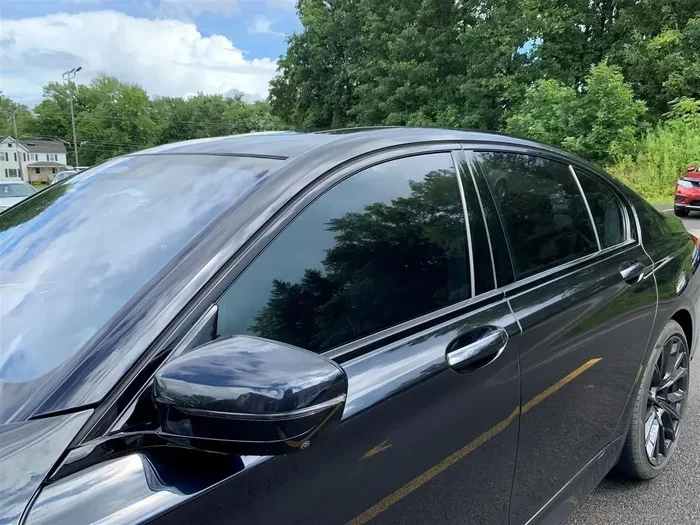
Black tinted glass for car is one of the smartest upgrades you can make for any vehicle. It offers better UV protection, heat reduction, privacy, and a sleeker look. Whether you drive a sedan or an SUV, this upgrade transforms your ride. Keep reading to learn everything you need to know.
When it comes to upgrading your car, small changes can make a huge difference. One of the most impactful upgrades you can make is adding black tinted glass for car. It is not just about looks, though the visual upgrade is hard to beat. This simple modification brings real benefits that improve your daily driving experience. From blocking harmful UV rays to keeping your car cooler in summer, the advantages are clear. If you have been thinking about upgrading your windows, now is the perfect time to learn more.
Black tinted glass for car has become incredibly popular among drivers of all vehicle types. Whether you drive a compact sedan, a sporty coupe, or a spacious SUV, window tinting works for you. It is a practical investment that pays off in comfort, protection, and style. In this guide, we will walk you through everything you need to know. You will learn about the benefits, the different types of tint available, costs, legal rules, and how to choose the best option for your ride. Let us dive in.
Key Takeaways
- UV and Heat Protection: Black tinted glass for car blocks up to 99% of harmful UV rays and significantly reduces interior heat.
- Enhanced Privacy and Security: Darker tints make it harder for others to see inside your vehicle, adding a layer of safety.
- Multiple Tint Types Available: Ceramic, carbon, and dyed films each offer different levels of performance and style.
- Legal Limits Vary by Region: Always check your local laws before installing black tinted glass for car to avoid fines.
- Cost-Effective Upgrade: Professional installation typically ranges from $100 to $400, making it an affordable car improvement.
- Interior Longevity: Tinted windows help protect your dashboard, seats, and electronics from sun damage over time.
- Glare Reduction Improves Safety: Less glare from sunlight and headlights means a more comfortable and safer driving experience.
📑 Table of Contents
- What Is Black Tinted Glass for Car?
- Benefits of Black Tinted Glass for Car
- Types of Black Tinted Glass for Car
- How Much Does Black Tinted Glass for Car Cost?
- Legal Considerations for Black Tinted Glass for Car
- How to Choose the Right Black Tinted Glass for Car
- Common Mistakes to Avoid with Black Tinted Glass for Car
- Expert Tips for Maintaining Your Tinted Windows
- Conclusion
What Is Black Tinted Glass for Car?
At its core, black tinted glass for car refers to window film applied to the glass surfaces of your vehicle. This thin layer of film darkens the windows and provides a range of functional and aesthetic benefits. The film is typically made from layers of polyester, metal, or ceramic materials. Each material offers different levels of performance and durability. The result is a darker, more polished look for your car while also serving a practical purpose.
Many people think tinting is purely cosmetic, but that is far from the truth. Black tinted glass for car serves real protective functions. It shields you and your passengers from the sun’s harmful ultraviolet rays. It also reduces the amount of solar heat that enters your vehicle. This means a more comfortable cabin temperature, especially during hot summer months. The film is applied directly to the inside of your car windows, and it bonds securely to the glass surface.
The level of darkness in your tint is measured by the visible light transmission percentage, often called VLT. A lower VLT means a darker tint. For example, a 5% VLT is very dark and provides maximum privacy, while a 50% VLT allows more light through. When you choose black tinted glass for car, you can select the VLT that best fits your needs and preferences. This flexibility is one of the reasons tinting is so popular among car owners.
Benefits of Black Tinted Glass for Car
There are many reasons why drivers choose to tint their car windows with a dark finish. The benefits go well beyond just making your car look better. Here are the key advantages of black tinted glass for car that you should consider.
UV Protection for You and Your Passengers
The sun emits harmful UV rays that can damage your skin over time. When you drive with unprotected windows, you are exposed to these rays every day. Black tinted glass for car blocks up to 99% of UV radiation. This protection is especially important for drivers who spend long hours on the road. It also helps protect your children and pets from harmful sun exposure inside the vehicle.
Heat Reduction and Comfort
Have you ever sat in a hot car and waited for the AC to cool it down? Black tinted glass for car significantly reduces the amount of solar heat that enters through your windows. High-quality tint films can reject up to 70% of solar heat. This means your car stays cooler, even on the hottest days. You spend less time cranking the air conditioning and more time enjoying a comfortable ride.
Enhanced Privacy and Security
Privacy is a major reason many car owners choose dark window tint. With black tinted glass for car, it becomes much harder for people outside to see into your vehicle. This is especially valuable when you park in public areas or leave valuables inside your car. The added layer of privacy also gives you and your passengers a greater sense of security while driving or parked.
Glare Reduction for Safer Driving
Glare from the sun or headlights from other vehicles can be distracting and even dangerous. Black tinted glass for car reduces glare significantly, making your driving experience more comfortable and safer. You will notice less eye strain during long drives, especially on bright sunny days or when driving at night. This simple improvement can help you stay more focused on the road.
Interior Protection and Longevity
The sun’s rays can cause serious damage to your car’s interior over time. Your dashboard, seats, and electronics can fade, crack, or deteriorate. Black tinted glass for car acts as a shield, blocking much of the sun’s energy from reaching your interior surfaces. This helps preserve the look and condition of your car’s cabin. Over time, this protection can save you money on repairs and replacements.
Aesthetic Upgrade and Vehicle Value
Let us not forget the visual appeal. Black tinted glass for car gives any vehicle a sleek, polished, and premium appearance. It is one of the most popular car upgrades for a reason. A well-tinted car looks more refined and stylish on the road. Some studies suggest that a well-maintained car with quality upgrades can retain higher resale value. So your tint investment may pay off when it is time to sell.
Types of Black Tinted Glass for Car
Not all window tint films are created equal. When you explore black tinted glass for car options, you will find several different types. Each type has its own strengths and weaknesses. Understanding these differences helps you make the best choice for your vehicle and budget.
Dyed Window Tint Film
Dyed tint film is the most common and affordable option for black tinted glass for car. It uses multiple layers of dye to absorb heat and reduce light transmission. Dyed film provides good privacy and a sleek, dark appearance. However, it may fade over time, especially with prolonged sun exposure. It also offers less heat rejection compared to more advanced film types. For budget-conscious car owners, dyed tint is a solid starting point.
Carbon Window Tint Film
Carbon tint is a step up from dyed film in terms of performance. Carbon window tint does not fade over time, which is a major advantage. It offers excellent heat rejection and a matte black finish that looks very professional. Black tinted glass for car with carbon film provides a good balance of performance, durability, and aesthetics. It is slightly more expensive than dyed film but delivers better long-term value. Many car enthusiasts prefer carbon tint for its rich, deep black color.
Ceramic Window Tint Film
Ceramic tint is the premium option for black tinted glass for car. It uses nano-ceramic particles to block heat without interfering with electronic signals. This means your GPS, phone connectivity, and other digital features work without disruption. Ceramic film offers the highest level of heat rejection and UV protection available. It is also the most durable and long-lasting tint option. While ceramic tint costs more upfront, its superior performance and longevity make it worth the investment for many drivers.
Metallic Window Tint Film
Metallic tint contains tiny metallic particles that reflect heat and light away from your car. It provides strong heat rejection and a distinctive reflective look. However, metallic film can sometimes interfere with cell phone and radio signals. It is also more expensive than dyed film. For those seeking a high-performance automotive tinting solution with a unique look, metallic tint is worth considering.
How Much Does Black Tinted Glass for Car Cost?
Cost is always a factor when upgrading your car, and black tinted glass for car is no exception. The good news is that tinting is one of the more affordable car modifications available. The total cost depends on several factors, including the type of film you choose, the number of windows, and whether you hire a professional or do it yourself.
For a standard sedan with all windows tinted, you can expect to pay between $100 and $400 for professional installation. Larger vehicles like SUVs and trucks may cost slightly more due to the increased window surface area. Here is a quick breakdown of what to expect:
- Dyed Film: $100 to $200 for a full vehicle. Best for those on a tight budget.
- Carbon Film: $200 to $350 for a full vehicle. Offers better durability and heat rejection.
- Ceramic Film: $350 to $500+ for a full vehicle. The premium choice with top-tier performance.
- Partial Tint (Front Doors Only): $50 to $150. A budget-friendly option for a subtle upgrade.
Keep in mind that prices vary by location and the quality of the installer. Choosing a reputable automotive tinting shop ensures a bubble-free, long-lasting finish. While DIY tint kits are available, professional installation is highly recommended for the best results. A poor installation can lead to peeling, bubbling, and an uneven finish that ruins the look of your black tinted glass for car.
Legal Considerations for Black Tinted Glass for Car
Before you rush to tint your windows, it is important to understand the legal rules. Legal tint limits vary widely from one region to another. Each state, province, or country has its own regulations regarding how dark your tint can be and which windows can be tinted. Ignoring these laws can result in fines, failed inspections, or even having your tint removed.
Most regions allow a certain percentage of light to pass through your windows, typically measured by VLT. For example, many places require the front side windows to have a VLT of 70% or higher. Rear windows and the rear windshield often have more lenient rules, allowing darker tints. The windshield usually has restrictions on how far down the tint can extend, often limited to the top few inches.
Here are some general tips to stay on the right side of the law with black tinted glass for car:
- Always check your local laws before choosing a tint darkness level.
- Keep your tint receipt and certification paperwork in your vehicle.
- Medical exemptions may be available in some regions for those with sun sensitivity.
- Some areas allow darker tints if the rear windows are dual-pane or have special coatings.
- Consult with a professional installer who understands local regulations.
Following the rules ensures you enjoy all the benefits of black tinted glass for car without any legal headaches. It is always better to be safe and compliant than to risk fines or having to remove your tint.
How to Choose the Right Black Tinted Glass for Car
With so many options available, choosing the right black tinted glass for car can feel overwhelming. But it does not have to be. By considering a few key factors, you can narrow down your choices and find the perfect tint for your needs.
Consider Your Climate
If you live in a hot, sunny climate, heat rejection should be your top priority. Ceramic and carbon films offer the best performance in these conditions. They block a high percentage of solar energy, keeping your car cool and comfortable. In cooler climates, you may prioritize privacy and aesthetics, which dyed or carbon films handle well.
Think About Your Driving Habits
How much time do you spend driving each day? If you are on the road for long commutes, glare reduction and UV protection become essential. Choose a high-quality film that offers strong performance in these areas. If you only drive occasionally, a basic dyed tint may be all you need. Your driving habits should guide your choice of black tinted glass for car.
Set a Budget
Budget plays a big role in your decision. Determine how much you are willing to spend before you start shopping. Remember that the cheapest option is not always the best value. A slightly higher investment in quality film and professional installation pays off in durability and performance. Think of it as a long-term investment in your vehicle’s comfort and protection.
Choose a Reputable Installer
The quality of installation matters just as much as the film itself. A professional installer ensures the film is applied smoothly, without bubbles or wrinkles. They also know how to handle different window shapes and curves. Look for installers with good reviews, certifications, and warranties on their work. A great installation makes all the difference in how your black tinted glass for car looks and performs over time.
Check the Warranty
Good quality tint films come with warranties that cover fading, bubbling, and peeling. These warranties give you peace of mind and protect your investment. Before you commit, ask the installer about the warranty terms. A strong warranty is a sign that the manufacturer stands behind their product. It also tells you that the window tint film you are choosing is built to last.
Common Mistakes to Avoid with Black Tinted Glass for Car
Even with the best intentions, mistakes can happen when tinting your car windows. Avoiding these common errors ensures you get the best results from your black tinted glass for car upgrade.
- Choosing the Wrong Darkness Level: Going too dark can violate local laws and reduce nighttime visibility. Always choose a VLT that is legal and safe for your driving conditions.
- Skipping Professional Installation: DIY kits may seem tempting, but they often lead to bubbles, peeling, and an uneven finish. Professional installation ensures a clean, long-lasting result.
- Ignoring Local Laws: Tinting laws vary by location. Failing to comply can lead to fines and the hassle of removing your tint. Always research the rules in your area before tinting.
- Choosing the Cheapest Film: Low-quality film fades quickly and offers poor heat rejection. Investing in a better film saves you money in the long run.
- Not Curing the Tint Properly: After installation, your tint needs time to cure. Avoid rolling down your windows for at least three to five days to let the film set properly.
By avoiding these mistakes, you enjoy a flawless black tinted glass for car installation that looks great and performs well for years to come.
Expert Tips for Maintaining Your Tinted Windows
Once your black tinted glass for car is installed, proper maintenance helps it look great and last longer. Follow these simple tips to keep your tinted windows in top condition.
- Wait Before Cleaning: Wait at least three to five days after installation before cleaning your windows. This allows the film to fully cure and adhere to the glass.
- Use the Right Cleaners: Avoid ammonia-based glass cleaners, as they can damage the tint film over time. Instead, use a mild, ammonia-free cleaner or a dedicated tint-safe solution.
- Use a Soft Cloth: Always use a soft, lint-free cloth or microfiber towel when cleaning tinted windows. Rough materials can scratch the film surface.
- Avoid High-Pressure Washing: Direct high-pressure water streams can peel the edges of your tint film. Use gentle water pressure when washing your car.
- Park in the Shade: While your tint protects your interior, parking in shaded areas reduces overall sun exposure and helps your tint last even longer.
With proper care, your black tinted glass for car will maintain its dark, rich appearance and performance for many years. These simple habits go a long way in protecting your investment.
Conclusion
Black tinted glass for car is one of the most worthwhile upgrades you can make for your vehicle. It offers real benefits that improve your comfort, safety, and driving experience every single day. From blocking harmful UV rays to keeping your car cooler, the advantages are clear and significant. With so many film types available, you can find the perfect option that fits your budget and needs.
Whether you choose a simple dyed film or invest in premium ceramic tint, the results speak for themselves. Your car will look better, feel more comfortable, and offer greater protection for you and your passengers. Just remember to follow local laws, choose a quality installer, and maintain your tint properly. With the right approach, your black tinted glass for car will be a upgrade you enjoy for years to come. Start your tinting journey today and experience the difference for yourself.
Frequently Asked Questions
Is black tinted glass for car legal everywhere?
No, legal tint limits vary by region. Some areas allow darker tints on rear windows while restricting front side windows. Always check your local laws before choosing a tint darkness level to avoid fines or penalties.
How long does black tinted glass for car last?
With proper care and quality installation, black tinted glass for car can last between five and ten years. Ceramic and carbon films tend to last longer than dyed films. Regular maintenance and avoiding harsh chemicals help extend the lifespan of your tint.
Can I tint my car windows myself?
Yes, DIY tint kits are available, but professional installation is strongly recommended. A professional ensures a bubble-free, even finish that lasts longer. Poor DIY installation often leads to peeling, bubbling, and an unsatisfactory appearance.
Does black tinted glass for car affect visibility at night?
Darker tints can reduce visibility at night, especially on poorly lit roads. It is important to choose a legal VLT level that allows enough light through for safe nighttime driving. Many drivers choose a slightly lighter tint on front windows for this reason.
What is the best type of black tinted glass for car?
Ceramic tint is widely considered the best option for black tinted glass for car. It offers the highest heat rejection, UV protection, and signal compatibility. Carbon tint is a great mid-range alternative that provides excellent performance at a lower price point.
How much does black tinted glass for car cost on average?
The average cost for full vehicle tinting ranges from $100 to $500 depending on the film type and vehicle size. Ceramic tint costs more but delivers superior performance and longevity. Getting quotes from multiple local installers helps you find the best value.