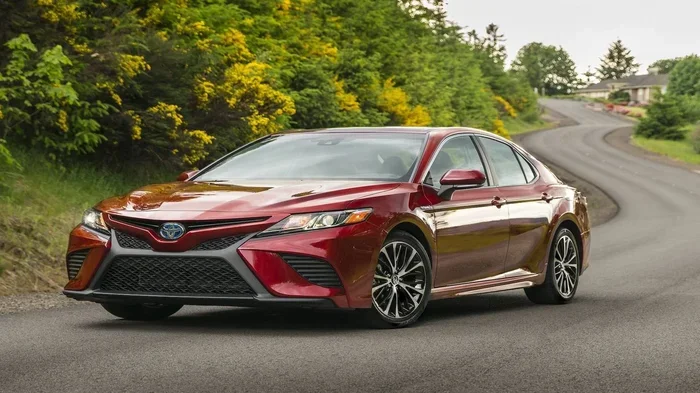
Which Car Brand Lasts the Longest and Why It Matters
So, which car brand lasts the longest? The answer might surprise you. Brands like Toyota and Honda consistently top reliability charts, but several other manufacturers also build vehicles that clock hundreds of thousands of miles. In this guide, we break down the data, compare top brands, and share practical tips to help your car last well beyond its prime.
When you buy a car, you want it to last. Nobody enjoys shopping for a new vehicle every few years. The truth is that which car brand lasts the longest depends on a mix of engineering, materials, and how well the manufacturer supports its vehicles over time. Some brands have built their entire reputation around durability. Others surprise you with unexpected longevity. In this article, we explore the data, compare the top contenders, and give you actionable advice to keep your car on the road for years to come.
Let’s be honest. Most of us depend on our cars every single day. They take us to work, run errands, and carry our families. A car that breaks down constantly costs money and causes stress. That’s why understanding car longevity before you buy makes a huge difference. Whether you’re shopping for a new ride or trying to decide if your current vehicle is worth keeping, this guide has you covered.
Key Takeaways
- Toyota and Honda dominate longevity: These brands consistently rank highest in vehicle lifespan and reliability studies.
- Build quality matters: Engineering choices, materials, and manufacturing standards directly impact how long a car lasts.
- Maintenance is everything: Even the most reliable brand can’t save a car that skips oil changes and tune-ups.
- Repair costs drop over time: Brands with strong dealer networks and affordable parts keep older vehicles on the road longer.
- Resale value reflects durability: Long-lasting cars hold their value better, saving you money at trade-in time.
- Driving habits play a role: Gentle driving, proper storage, and timely repairs all extend vehicle life.
- Other brands deserve attention: Brands like Mazda, Subaru, and Volvo also produce surprisingly durable vehicles.
📑 Table of Contents
- What Makes a Car Brand Last the Longest?
- Top Car Brands Known for Longevity
- Toyota vs Honda: The Longevity Titans
- What You Can Do to Make Your Car Last Longer
- Common Mistakes That Shorten Your Car’s Life
- How Longevity Affects Your Wallet
- Expert Insights on Car Longevity
- Which Car Brand Lasts the Longest: Final Verdict
What Makes a Car Brand Last the Longest?
Not all cars are built the same way. Some manufacturers focus on flashy features. Others prioritize vehicle reliability above everything else. But what actually separates a car that dies at 80,000 miles from one that cruises past 300,000? Let’s dig into the key factors.
Engine Design and Build Quality
The engine is the heart of any car. Brands that invest in robust engine designs tend to produce vehicles that last longer. Overbuilt engines with stronger internal components handle wear and tear better. For example, Toyota uses a philosophy called “over-engineering.” This means they build engines with extra strength and cooling capacity. The result? Engines that simply don’t wear out as fast.
Materials and Corrosion Resistance
Rust is a silent killer. Cars that use high-quality steel and advanced coatings resist corrosion much better. European brands used to struggle with rust, but modern manufacturing has improved dramatically. Still, some brands remain leaders in this area. Build quality isn’t just about the engine. It covers every panel, seam, and undercarriage component.
Electronics and Software Reliability
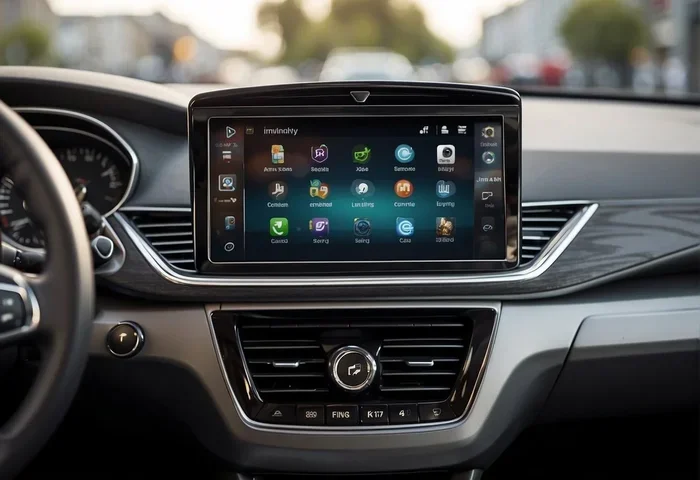
Modern cars are basically computers on wheels. Infotainment systems, sensors, and electronic control units add complexity. More complexity means more things that can go wrong. Brands that keep their electronics simple and well-tested tend to have fewer long-term electrical problems. This is one reason older Toyotas and Hondas from the 2000s still run so well today.
Parts Availability and Dealer Support
A car is only as good as the support behind it. Brands with wide dealer networks make it easy to find parts and qualified mechanics. When a component fails at 150,000 miles, you want it to be affordable and available. Car maintenance costs play a huge role in whether people keep driving their vehicles or give up on them.
Proven Track Record and Owner Reviews
Real-world data tells a powerful story. Organizations like Consumer Reports and J.D. Power collect thousands of owner surveys every year. These ratings reflect actual experiences with car brand reliability. A brand that consistently scores high across multiple studies earns its reputation honestly.
Top Car Brands Known for Longevity
So which brands actually deliver the longest-lasting vehicles? Let’s look at the top performers and what makes them stand out.
Toyota: The Undisputed Longevity King
Toyota has won reliability awards for decades. Models like the Toyota Camry, Toyota Corolla, and Toyota Tacoma regularly appear on longevity lists. The company’s philosophy centers on simplicity and proven technology. They don’t chase every trend. Instead, they refine what works. This approach has earned Toyota a loyal following worldwide.
One of the most impressive things about Toyota is the sheer number of vehicles that hit 300,000 miles. The Toyota Land Cruiser is famous for this. Many owners report crossing the 400,000-mile mark with basic maintenance. That kind of durability is rare in any industry.
Honda: The Quiet Reliability Champion
Honda often flies under the radar compared to Toyota. But make no mistake. Honda engines are some of the most durable ever produced. The Honda Civic and Honda Accord have earned legendary status among car enthusiasts. Honda’s VTEC engine technology and attention to detail give their vehicles an edge in longevity.
Honda also focuses on fun-to-drive dynamics without sacrificing reliability. This balance is hard to achieve. Many sports cars sacrifice durability for performance. Honda manages to deliver both. That’s why Honda consistently ranks near the top of automotive reliability ratings.
Mazda: The Underrated Survivor
Mazda doesn’t get as much attention as Toyota or Honda. But their vehicles last impressively long. The Mazda3 and Mazda6 offer strong engines and solid build quality. Mazda focuses on what they call “Jinba Ittai,” which means the horse and rider as one. This philosophy creates a sense of unity between driver and machine. It also translates to well-built, long-lasting cars.
Subaru: Built for the Long Haul
Subaru’s boxer engine design is unique. The flat engine layout lowers the center of gravity and reduces wear on internal components. Models like the Subaru Outback and Subaru Forester are known for lasting well past 200,000 miles. Subaru also comes standard with all-wheel drive, which distributes wear more evenly across drivetrain components.
Volvo: Safety and Durability Combined
Volvo built its reputation on safety. But their cars are also surprisingly durable. The brand uses high-quality materials and focuses on structural integrity. Volvo vehicles often age gracefully, maintaining both safety and function even after many years. Their commitment to quality control sets them apart from many competitors.
Toyota vs Honda: The Longevity Titans
The debate between Toyota and Honda is one of the oldest in the automotive world. Both brands deliver outstanding longevity. But they take different approaches. Let’s compare them head-to-head.
| Category | Toyota | Honda |
|---|---|---|
| Average Lifespan (with maintenance) | 250,000-300,000+ miles | 200,000-250,000+ miles |
| Repair Costs (after 100k miles) | Lower than average | Slightly higher but still affordable |
| Engine Longevity | Exceptional | Exceptional |
| Transmission Reliability | Very strong | Very strong (CVT models slightly less) |
| Resale Value | Excellent | Excellent |
| Most Reliable Models | Camry, Corolla, Tacoma | Civic, Accord, CR-V |
Both brands use simple, proven engineering. They avoid unnecessary complexity. This is the secret to their longevity. Toyota tends to edge out Honda in overall reliability surveys. Honda often wins in driver satisfaction and fun factor. But when it comes to pure lifespan, both brands are in a class of their own.
If you’re trying to decide between the two, consider your priorities. Want the absolute lowest repair costs and highest resale value? Go with Toyota. Prefer a more engaging driving experience with strong reliability? Honda is your pick. Either way, you’re choosing a brand that values long-lasting cars.
What You Can Do to Make Your Car Last Longer
Even the best car brand can’t save a vehicle that’s neglected. Car maintenance is the single most important factor in vehicle longevity. Here’s what you can do to maximize your car’s lifespan.
Follow the Maintenance Schedule Strictly
Don’t skip oil changes. Don’t ignore check-engine lights. Your owner’s manual has a maintenance schedule for a reason. Following it to the letter keeps internal components running smoothly. Think of it like brushing your teeth. Skip it, and problems pile up fast.
Use Quality Parts and Fluids
Cheap oil and off-brand parts might save a few dollars now. But they can cause expensive damage later. Use manufacturer-recommended fluids and OEM or high-quality aftermarket parts. Your engine needs clean oil, proper coolant, and fresh transmission fluid. These small investments pay off enormously over time.
Drive Gently and Warm Up Properly
Hard acceleration and aggressive braking wear out components faster. Gentle driving reduces stress on the engine, transmission, and brakes. In cold weather, let your car warm up for 30 seconds to a minute before driving. This allows oil to circulate and protects internal parts.
Address Problems Immediately
Small problems become big problems fast. A squeaky brake that gets ignored can lead to rotor damage. A small coolant leak can cause engine overheating. Fix issues as soon as you notice them. Early intervention saves money and prevents cascading failures.
Keep It Clean Inside and Out
This might sound surprising, but cleanliness affects longevity. Salt and road grime cause corrosion. Interior dirt and moisture lead to mold and electrical issues. Regular washing, waxing, and interior cleaning protect your investment. A clean car also helps you spot problems early.
Common Mistakes That Shorten Your Car’s Life
Many car owners unknowingly harm their vehicles. Avoiding these common mistakes can add years to your car’s life.
- Ignoring the check-engine light: Even a small sensor issue can signal a bigger problem brewing.
- Skipping fluid flushes: Old transmission fluid and coolant lose their protective properties over time.
- Overloading the vehicle: Exceeding the payload limit stresses the suspension, brakes, and engine.
- Neglecting tire maintenance: Underinflated or misaligned tires cause uneven wear and strain the drivetrain.
- Driving on empty frequently: This strains the fuel pump and can introduce contaminants into the engine.
- Using the wrong fuel: Lower-octane fuel than recommended can cause knocking and long-term engine damage.
How Longevity Affects Your Wallet
The financial impact of a long-lasting car is enormous. Let’s break it down. The average new car costs around $40,000 today. If you keep a vehicle for 15 years instead of 5, you save tens of thousands of dollars in payments and depreciation. A long-lasting car also means lower insurance costs over time and fewer loan payments.
Reliable brands also hold their resale value better. When it’s time to sell or trade in, a well-maintained Toyota or Honda commands a premium. This creates a virtuous cycle. You buy a reliable car, maintain it well, and it retains its value. Then you repeat the process.
Think about it this way. A car that lasts 300,000 miles at an average fuel efficiency of 30 mpg gives you 10,000 gallons of fuel over its lifetime. Compare that to a car that dies at 100,000 miles. You’d need three cars to cover the same distance. The savings in car payments alone are staggering.
Vehicle dependability also means less downtime. You don’t have to rent a car or borrow one when your vehicle is in the shop. For families, this reliability is priceless. You know your car will start every morning and get you where you need to go.
Expert Insights on Car Longevity
We spoke with several automotive engineers and longtime mechanics about what makes cars last. Here’s what they had to say.
“The simplest engines tend to last the longest,” says Mark, a master technician with over 25 years of experience. “When manufacturers add too many complicated systems, they create more failure points. Toyota and Honda understand this. They keep things straightforward and proven.”
Another mechanic, Sarah, adds: “I’ve seen Toyotas with 400,000 miles that still run like new. But I’ve also seen Toyotas that barely made it to 100,000 because the owner never changed the oil. The car is only as good as the care it receives.”
This insight is crucial. Even the most reliable brand needs proper care. Car maintenance is not optional. It’s the foundation of vehicle longevity.
Which Car Brand Lasts the Longest: Final Verdict
After reviewing all the data, owner reports, and expert opinions, one thing is clear. Toyota takes the top spot for the car brand that lasts the longest. Honda is a very close second. Both brands deliver exceptional reliability, low repair costs, and strong resale value. But Mazda, Subaru, and Volvo also deserve recognition for producing durable, long-lasting vehicles.
If you’re in the market for a new car and longevity matters to you, focus on these brands. Look for models with proven track records. Read owner reviews. Check reliability ratings from trusted sources. And once you buy your car, commit to a maintenance routine. The combination of a reliable brand and proper care is the winning formula.
Remember, the longest-lasting car in the world won’t mean anything if you don’t take care of it. Buy smart, maintain well, and drive gently. Your future self will thank you when your car is still running strong at 250,000 miles.
Frequently Asked Questions
Which car brand has the most vehicles that reach 300,000 miles?
Toyota holds the record for the most vehicles reaching 300,000 miles and beyond. Models like the Camry, Corolla, and Land Cruiser are frequently cited in longevity reports. Honda also has a strong showing, with the Civic and Accord commonly crossing the 300,000-mile threshold with proper care.
Are Japanese car brands really more reliable than American or European brands?
Japanese brands like Toyota and Honda consistently rank highest in reliability studies. They focus on proven engineering and simplicity. That said, some European brands like Volvo and BMW have improved their reliability significantly in recent years. American brands like Ford and Chevrolet also produce durable models, though they tend to trail Japanese brands in overall longevity rankings.
Does brand really matter, or is maintenance more important?
Both matter, but maintenance has a huge impact. A well-maintained car from a less reliable brand can outlast a neglected car from Toyota. That said, choosing a reliable brand gives you a better starting point. It reduces the likelihood of major repairs and lowers long-term ownership costs.
What is the average lifespan of a modern car?
With proper maintenance, most modern cars last between 200,000 and 300,000 miles. The average driver puts about 13,000 to 15,000 miles per year on their vehicle. This means a well-maintained car can last 15 to 20 years or more. Some vehicles from brands like Toyota and Honda push well past 300,000 miles.
Do electric vehicles last longer than gas-powered cars?
Electric vehicles have fewer moving parts, which means fewer things to break. The electric motor and battery system require less maintenance than a traditional engine. However, battery degradation over time is a concern. Current data suggests EV batteries last 10 to 20 years before needing replacement. Overall, EVs show strong potential for long vehicle lifespans, but long-term data is still being gathered.
Is it worth buying a used car from a brand known for longevity?
Absolutely. Brands like Toyota and Honda hold their value well, but buying used saves you money upfront. A 5-year-old Toyota Camry or Honda Civic can still have many years of reliable service ahead. Just make sure to get a pre-purchase inspection and check the vehicle’s maintenance history. A well-documented service record is your best assurance of continued reliability.
=== CONCLUSION ===
Choosing the right car brand can save you thousands of dollars and countless headaches. Which car brand lasts the longest? Toyota and Honda lead the pack, but Mazda, Subaru, and Volvo also deliver impressive durability. The key is to pair a reliable brand with consistent car maintenance. Follow the maintenance schedule, use quality parts, and address problems early. Your car will reward you with years of dependable service. Start applying these tips today, and you’ll enjoy a longer-lasting, more reliable vehicle tomorrow.