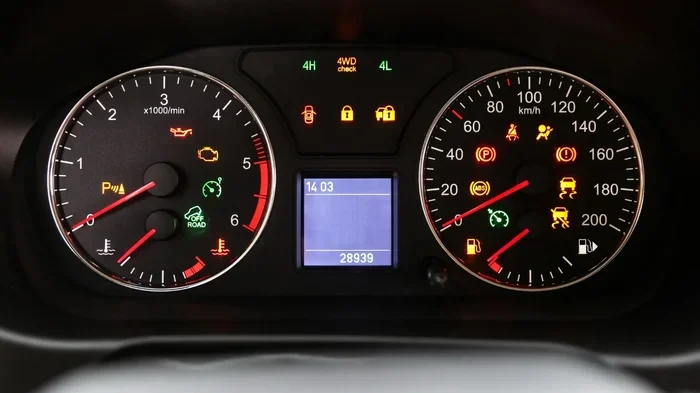
My Car Wont Start but Has Power: The Common Causes
When your car won’t start but has power, it can be frustrating and confusing. The problem usually lies in the starter motor, battery connections, fuel system, or ignition components. In most cases, you can diagnose the issue yourself with a few simple checks. This guide walks you through every possible cause and gives you clear steps to fix the problem.
There’s nothing worse than turning your key or pressing the start button and hearing nothing happen. Or worse yet, you hear a click, but the engine just won’t turn over. Yet here’s the strange part: your lights work, your radio plays, and your dashboard is fully lit. So why won’t the car start?
This exact situation happens to millions of drivers every year. When your car won’t start but has power, the problem is usually narrowed down to a few specific components. You’re not dealing with a completely dead electrical system. Something is preventing the engine from cranking or firing up, even though everything else seems fine.
In this article, we’ll break down every common cause of this problem. We’ll look at the electrical system, the fuel system, the ignition components, and even the security features that modern cars use. By the end, you’ll know exactly what to check and how to fix it. Let’s get into it.
Key Takeaways
- Corroded or loose battery terminals are the most common reason your car has power but won’t start.
- A failing starter motor or solenoid can cause a clicking noise without the engine turning over.
- Fuel pump failure means your engine gets no fuel even though the electrical system works fine.
- An ignition switch or neutral safety switch issue can prevent the engine from receiving the start signal.
- Key fob battery problems in modern cars can trick the immobilizer system into blocking startup.
- Knowing what to check first can save you time, money, and a trip to the mechanic.
📑 Table of Contents
What Does It Mean When Your Car Won’t Start but Has Power?
Before we dive into the causes, let’s understand what’s actually happening. When we say your car won’t start but has power, we mean that the battery and electrical system are working. Your headlights turn on, your dashboard lights up, and your radio plays. But the engine refuses to crank or fire.
This is different from a completely dead battery. With a dead battery, nothing works at all. No lights, no radio, no dashboard. In our case, the electrical side is fine. The problem is somewhere between the electrical system and the engine starting process.
When you turn the key or push the start button, a chain of events must happen. The battery sends power to the starter motor. The starter motor spins the engine. The engine then draws in air and fuel. The spark plugs ignite the mixture. And the engine starts running. When any link in that chain breaks, you get the symptoms we’re talking about today.
How the Starting Process Works
The starting process is simpler than most people think. Here’s the basic chain of events:
- The ignition switch sends a signal when you turn the key.
- The starter solenoid receives that signal.
- The solenoid engages the starter motor.
- The starter motor spins the engine.
- The engine begins its combustion cycle.
If any one of these steps fails, your engine won’t start. But the rest of the car’s electrical system can still work perfectly. That’s why you get power without the engine turning over.
The Most Common Causes
Now let’s look at the specific reasons your car won’t start but has power. These are the most common culprits that mechanics see every single day.
Corroded or Loose Battery Terminals
This is the number one cause of this exact problem. Your battery might be fully charged and producing power. But if the terminals are corroded or loose, that power can’t reach the starter motor properly. You’ll still have enough juice for your lights and radio, but not enough for the heavy lift of cranking the engine.
Corrosion looks like a white or greenish powdery substance on the battery posts. It builds up over time, especially in humid or coastal areas. Even a thin layer of corrosion can reduce the electrical connection enough to cause problems.
Quick Tip: Grab a wire brush or even an old toothbrush. Mix baking soda with a little water. Scrub the terminals clean. Then tighten them back up securely. This simple fix solves the problem more often than you’d think.
Faulty Starter Motor
The starter motor is the workhorse that actually cranks your engine. When it goes bad, you might hear a single click or a rapid clicking sound when you turn the key. The power is there. The starter just can’t do its job.
Starter motors wear out over time. The internal brushes get thin. The solenoid gets weak. Heat damage from the engine bay can also shorten the life of a starter motor. In older cars, this is a very common failure point.
One way to test this is to have someone tap the starter motor lightly with a wrench while you try to start the car. If it starts after a tap, the starter motor is likely the problem. This is called a starter motor workaround, and it’s not a permanent fix, but it can get you going.
Bad Starter Solenoid
The starter solenoid is the relay that tells the starter motor to engage. When it fails, you get a click but no cranking. The solenoid is a small, inexpensive part. But replacing it can be a bit of work depending on your vehicle’s design.
Some cars have the solenoid built into the starter motor. Others have it as a separate component mounted on the firewall. Check your vehicle’s service manual to find the exact location. Testing the solenoid requires a multimeter to check for voltage at the solenoid terminals when you turn the key.
Weak or Failing Battery
Wait, didn’t we just say the car has power? Yes, but a weak battery can still power your lights and radio. It just can’t handle the heavy current draw of the starter motor. A battery that reads 12.4 volts on a multimeter might seem fine for running accessories. But it might not have the cranking amps needed to start the engine.
Batteries don’t last forever. Most last between three and five years. If your battery is older than that, it’s worth having it tested at an auto parts store. Most places will test it for free. They’ll tell you if the battery needs replacing or if it’s still good.
Quick Tip: If you live in a cold climate, battery problems spike in winter. Cold temperatures reduce a battery’s ability to deliver current. A battery that worked fine in summer might fail you in January.
Fuel System Problems
Here’s something many people overlook. Your engine needs three things to start: spark, air, and fuel. If the electrical system is fine, the fuel system might be the issue. When your car won’t start but has power, a fuel problem is often the hidden cause.
Fuel Pump Failure
The fuel pump sends gasoline from the tank to the engine. When it fails, the engine gets no fuel. The electrical system works perfectly. The starter motor cranks the engine. But there’s simply no fuel reaching the cylinders to ignite.
Fuel pumps can fail suddenly or gradually. A gradual failure might start with the car taking longer to start. You might notice it struggling on hot days or after driving for a long time. Eventually, the pump stops working altogether.
How to check: Turn the key to the “on” position without starting the engine. You should hear a faint humming sound from the back of the car. That’s the fuel pump priming the system. If you don’t hear anything, the fuel pump might be dead. A fuel pressure gauge can confirm this diagnosis.
Clogged Fuel Filter
The fuel filter keeps debris and contaminants out of the engine. Over time, it gets clogged and restricts fuel flow. A severely clogged fuel filter can prevent the engine from getting enough fuel to start. This is a cheap and easy fix that many people overlook.
Most fuel filters are located along the fuel line, either under the car or near the fuel tank. Check your owner’s manual for the exact location and replacement interval. Replacing a fuel filter usually takes about 15 minutes and costs under 50 dollars.
Empty Fuel Tank
Yes, this happens more often than you’d think. The fuel gauge can be inaccurate, especially in older vehicles. If your car won’t start but has power, double-check the fuel level. Don’t trust the gauge alone. Sometimes adding a small amount of fuel can solve the mystery immediately.
Ignition and Electrical System Issues
The ignition system is responsible for creating the spark that ignites the fuel-air mixture. When this system has a problem, the engine cranks but won’t fire. Or it might not crank at all if the ignition switch itself fails.
Failing Ignition Switch
The ignition switch is the component you interact with every time you turn your key. It sends electrical signals to different parts of the car. When the switch wears out, it might not send the correct signal to the starter motor. Your dashboard lights up fine, but the start signal never reaches the engine.
Ignition switches fail more often in older vehicles with high mileage. The internal contacts wear down over years of use. Some cars also have a known recall or technical service bulletin for this specific issue. Check if your vehicle is affected.
Quick Tip: If you notice the dashboard flickering when you turn the key, that’s a sign of a failing ignition switch. Get it checked before it leaves you stranded.
Neutral Safety Switch Problems
The neutral safety switch prevents the car from starting unless it’s in park or neutral. When this switch fails, the car won’t start even though everything else works. This is a common issue that people don’t always think to check.
Try shifting your gear selector to neutral and then attempting to start the car. If it starts in neutral but not in park, the neutral safety switch is likely the culprit. Replacing this switch is usually straightforward and inexpensive.
Ignition Coil or Spark Plug Issues
The ignition coil transforms the battery’s low voltage into the high voltage needed to create a spark at the spark plugs. If the coil fails, there’s no spark, and the engine won’t start. Similarly, worn or fouled spark plugs can prevent ignition.
This is more common in high-mileage vehicles. If you haven’t replaced your spark plugs in a while, this could be the cause. A quick inspection of the spark plugs can tell you a lot about the health of your engine.
Security and Immobilizer Problems
Modern cars have sophisticated security systems that can actually prevent the engine from starting. When your car won’t start but has power, the immobilizer might be the reason.
Key Fob Battery Dead
If you have a push-button start system, your key fob has a small battery inside. When that battery dies, the car can’t recognize the fob is nearby. The immobilizer stays active, and the engine won’t start. Yet all the electrical systems work perfectly.
This is an incredibly common issue, especially with newer vehicles. Most key fob batteries last one to two years. If you haven’t changed yours recently, try replacing it. You can usually find the correct battery type in your owner’s manual.
Quick Tip: Most cars have a backup method to start the vehicle with a dead key fob battery. Look for a specific spot on the steering column or center console where you can place or tap the fob. Check your owner’s manual for the exact procedure.
Immobilizer System Malfunction
The immobilizer system uses a transponder chip inside your key or fob to verify your identity. If the system malfunctions, it might block the engine from starting even when everything else is working. A flashing security light on the dashboard is a telltale sign of this issue.
Immobilizer problems can be tricky to diagnose. Sometimes a simple reprogramming of the key fixes the issue. Other times, the immobilizer module itself needs replacement. This is a job best left to a qualified mechanic or dealership.
Damaged or Worn Key
If your physical key is damaged or worn, the transponder chip inside might not communicate properly with the car’s computer. This is especially common with older keys that get a lot of wear and tear. The car has power, but it refuses to start because it doesn’t trust the key.
Having a duplicate key made at a locksmith can solve this problem. Make sure the new key is programmed to your vehicle’s immobilizer system.
How to Diagnose the Problem Yourself
You don’t need to be a mechanic to figure out why your car won’t start but has power. With a few basic tools and some patience, you can narrow down the cause significantly.
Step 1: Check the Battery
Pop the hood and look at the battery terminals. Are they clean and tight? Do you see any corrosion? Use a multimeter to check the voltage. A healthy battery should read 12.6 volts or higher. Anything below 12.2 volts might not have enough power to crank the engine.
Step 2: Listen for Clicks
When you turn the key, do you hear a single click or rapid clicking? A single click often points to the starter motor or solenoid. Rapid clicking usually means the battery is too weak to engage the starter, even though it has enough power for the dashboard.
Step 3: Check the Fuel
Turn the key to the “on” position without starting. Listen for the fuel pump hum. Check the fuel gauge. You can also try adding a small amount of fuel if you suspect the tank is nearly empty.
Step 4: Test the Ignition
Try starting the car in neutral. If it starts in neutral but not in park, the neutral safety switch is likely the issue. Check the ignition switch for flickering dashboard lights when you turn the key.
Step 5: Inspect the Key Fob
Replace the key fob battery. Try starting the car with the backup method described in your owner’s manual. If the car starts with a new fob battery, you’ve found your problem.
Following these steps in order will help you eliminate the most common causes quickly. Start with the simplest fixes and work your way toward the more complex ones.
When to Call a Professional
Not every problem is a DIY fix. Some issues require professional tools and expertise. Here are the signs that it’s time to call a mechanic.
If you’ve checked the battery, terminals, fuel level, and key fob, and the car still won’t start, it’s time for expert help. Problems with the fuel pump, ignition coil, or immobilizer system often require specialized diagnostic equipment.
A mechanic can run a diagnostic scan to read error codes from the car’s computer. These codes point directly to the failing component. This saves you time and prevents you from replacing parts that aren’t actually the problem.
Quick Tip: Don’t wait too long to call for help. If you keep trying to start the car and it won’t turn over, you risk draining the battery even further. It’s better to get a jump start or call a tow truck than to make the problem worse.
Also, if you notice any unusual smells, sounds, or smoke when you try to start the car, stop immediately. These could be signs of a more serious mechanical issue that needs urgent attention.
Preventing Future Starting Problems
The best way to deal with a car won’t start but has power situation is to prevent it from happening in the first place. Regular maintenance can catch problems before they leave you stranded.
- Have your battery tested every year, especially before winter.
- Clean the battery terminals every six months.
- Replace the fuel filter at the recommended interval.
- Keep your key fob battery fresh and replace it annually.
- Don’t ignore dashboard warning lights, especially the security light.
- Follow the manufacturer’s recommended maintenance schedule for spark plugs and ignition components.
These simple habits can add years of reliable starting to your vehicle. Most of these checks take just a few minutes but can save you from a major headache down the road.
Final Thoughts
When your car won’t start but has power, the problem is almost always one of a few specific components. The battery terminals, starter motor, fuel pump, ignition switch, and security system are the most common culprits. By working through the diagnostic steps we’ve outlined, you can often find and fix the issue yourself.
Remember to start with the simplest explanations first. A corroded terminal or a dead key fob battery is much easier to fix than a failed fuel pump. And don’t be afraid to call a professional when the problem is beyond your comfort level. A good mechanic is a valuable partner in keeping your car reliable.
Stay proactive with your vehicle’s maintenance. Regular checks and timely replacements keep all these systems working smoothly. And the next time you turn that key and hear the engine roar to life, you’ll know exactly how to keep it that way.
Frequently Asked Questions
Why does my car have power but won’t start?
This usually means the battery and electrical system are working, but something is preventing the engine from cranking or firing. Common causes include corroded battery terminals, a faulty starter motor, fuel pump failure, or ignition switch problems. Start by checking the battery terminals and listening for clicks when you turn the key.
Can a weak battery cause a car to have power but not start?
Yes, absolutely. A weak battery can power your lights and dashboard but lack the cranking amps needed to turn the engine over. Have the battery tested with a multimeter or at an auto parts store. If it reads below 12.4 volts, it may need replacement.
What does it mean when I hear a clicking noise but the engine won’t turn over?
A clicking noise usually indicates the starter solenoid is engaging but the starter motor isn’t turning. This points to a bad starter motor, a weak battery, or corroded connections. Try tapping the starter motor lightly with a wrench. If the car starts, the starter motor likely needs replacing.
How do I know if my fuel pump is bad?
Turn the key to the “on” position without starting the engine. You should hear a faint humming sound from the back of the car. If you don’t hear anything, the fuel pump might be dead. Other signs include the car stalling under load, difficulty starting when hot, or loss of power while driving.
Can a dead key fob battery prevent my car from starting?
Yes, especially in cars with push-button start systems. The car’s immobilizer can’t verify the key’s identity without a working fob battery. Replace the key fob battery and try starting the car again. Most vehicles also have a backup starting method described in the owner’s manual.
How much does it cost to fix a car that won’t start but has power?
The cost varies widely depending on the cause. Replacing battery terminals or cleaning corrosion costs almost nothing. A new fuel pump can range from 200 to 800 dollars. A starter motor replacement typically costs between 300 and 600 dollars. Ignition switch repairs usually fall in the 150 to 300 dollar range. Always get a diagnostic before committing to a repair.
=== CONCLUSION ===
A car that won’t start but has power is a frustrating experience, but it’s almost always fixable. The problem is almost always one of a few specific components in the starting, fuel, or ignition system. By following the diagnostic steps in this guide, you can identify the root cause and take the right action to get back on the road.
Start with the simplest checks. Clean the battery terminals. Test the battery voltage. Listen for the fuel pump hum. Replace the key fob battery. These small steps solve the problem more often than you might expect. And when the issue is more complex, you’ll at least know what direction to point your mechanic.
Keep this guide bookmarked for future reference. Regular maintenance and quick attention to warning signs will keep your car starting reliably for years to come. Don’t let a starting problem catch you off guard. Stay informed, stay prepared, and keep your vehicle running strong.