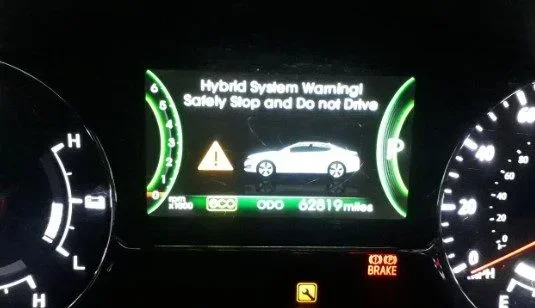
Can I Drive My Car If It Says Check Hybrid System Warning
The check hybrid system warning can be scary, but the answer isn’t always simple. In most cases, you can drive a short distance carefully, but continuing to do so risks damaging your hybrid powertrain and costing you thousands. This guide explains exactly what the warning means, whether it’s safe to keep driving, common causes, and how to protect your hybrid vehicle from expensive repairs.
You’re cruising down the road, minding your own business, when suddenly a yellow or red light pops up on your dashboard. It says Check Hybrid System. Your heart drops. You’ve never seen that light before. Can you keep driving? Should you pull over right now? What happens if you ignore it?
Here’s the honest truth. The check hybrid system warning is one of the most confusing dashboard lights hybrid car owners face. Unlike a flat tire or a check engine light you might already understand, this warning sits in a gray area. Sometimes it’s a minor glitch. Other times, it’s a serious problem that could leave you stranded or cause expensive damage.
This article breaks down everything you need to know. You’ll learn what the warning means, whether it’s safe to keep driving, the most common causes, and exactly what steps to take. Whether you drive a Toyota Prius, a Honda Insight, or any other hybrid vehicle, this guide has you covered.
Key Takeaways
- Short drives may be okay: In some cases, you can drive a few miles to a safe spot, but don’t push it.
- The warning signals a real problem: Ignoring the check hybrid system light can lead to hybrid system failure and costly repairs.
- Common causes include hybrid battery issues, faulty sensors, and low voltage: Each requires a different fix.
- High-voltage safety matters: Hybrid cars carry dangerous electrical systems that need professional handling.
- Quick action saves money: Addressing the warning early prevents minor issues from becoming major hybrid system repair bills.
- Not all warnings are equal: Some are minor sensor glitches, while others point to serious hybrid battery or inverter problems.
📑 Table of Contents
- What Does the Check Hybrid System Warning Mean?
- Can I Drive My Car If It Says Check Hybrid System?
- Common Causes of the Check Hybrid System Warning
- What Happens If You Ignore the Warning?
- How to Diagnose the Problem
- How to Prevent Check Hybrid System Warnings
- Expert Insights: What Mechanics Wish You Knew
- Key Takeaways
What Does the Check Hybrid System Warning Mean?
When your dashboard shows a check hybrid system message, it means the car’s computer has detected something wrong with the hybrid powertrain. This system includes the electric motor, the hybrid battery, the inverter, and the sensors that tie everything together. The car’s hybrid control module monitors all of these parts constantly.
When it finds a problem, it triggers the warning light. Think of it like a check engine light, but specifically for the hybrid system. The message might appear as text on your dashboard or as a warning symbol, depending on your car’s make and model.
The light doesn’t tell you exactly what’s wrong. It just tells you something needs attention. That’s why it’s important not to panic, but also not to ignore it. Hybrid system diagnostics are the next step, and we’ll cover that shortly.
How the Hybrid System Works in Simple Terms
To understand the warning, it helps to know the basics. A hybrid vehicle uses two power sources: a gasoline engine and an electric motor. The electric motor gets its energy from a high-voltage hybrid battery. When you brake, the car uses regenerative braking to recharge the battery. The hybrid inverter converts DC power from the battery into AC power for the motor.
All of these parts work together through a network of hybrid sensors and a central computer. If any part of this system fails or sends wrong readings, the car triggers the check hybrid system warning. It’s the car’s way of saying, “Hey, something in my electric or hybrid setup isn’t working right.”
Can I Drive My Car If It Says Check Hybrid System?
This is the big question, and the answer depends on several factors. Let’s break it down honestly.
Short Answer: Sometimes, But With Caution
In many cases, you can drive a short distance after the warning appears. Your car may still run on gasoline alone, even if the hybrid system has a fault. However, this is not a green light to keep driving for miles or days. The check hybrid system warning means something needs diagnosis and likely repair.
Think of it this way. If your car’s oil pressure light came on, you wouldn’t ignore it and drive 100 miles. The same logic applies here. You can move the car to safety or a nearby mechanic, but you shouldn’t continue your normal driving routine.
When You Should Pull Over Immediately
There are situations where you should stop driving right away. Watch for these signs:
- The warning light is red, not yellow: Red lights usually indicate a serious, immediate problem.
- The car is making strange noises: Grinding, whining, or buzzing sounds from the powertrain area are bad news.
- You notice a burning smell: This could mean the hybrid battery is overheating, which is dangerous.
- The car loses power suddenly: If the gasoline engine is struggling or shutting off, pull over safely.
- The dashboard shows multiple warning lights: Several lights at once means the problem is widespread.
If any of these happen, find a safe spot to pull over, turn off the engine, and call for roadside assistance. Hybrid vehicle safety should always come first.
When It’s Probably Safe to Drive a Short Distance
If the warning is yellow, the car drives normally, and you don’t notice any strange symptoms, you can likely drive a few miles. Use this time to:
- Find a safe place to pull over.
- Navigate to the nearest mechanic or hybrid service center.
- Keep your speed moderate and avoid heavy acceleration.
- Avoid using heavy electrical loads like the air conditioning at full blast.
The goal is to get to help without causing further damage to the hybrid system. Keep your driving gentle and your distance short.
Common Causes of the Check Hybrid System Warning
Understanding what triggers the warning helps you know how serious it might be. Here are the most common causes of check hybrid system warnings.
1. Hybrid Battery Problems
The hybrid battery is the heart of the electric system. Over time, battery cells can degrade, lose capacity, or develop internal faults. A failing hybrid battery is one of the top reasons this warning light comes on. You might also notice reduced fuel economy or the car staying in gasoline mode more often.
Hybrid battery replacement cost varies widely, but it can range from $1,000 to $6,000 or more depending on the vehicle. Catching battery issues early can sometimes save you from a full replacement.
2. Low Hybrid Battery Voltage
If the hybrid battery voltage drops too low, the car’s computer will flag the problem. This can happen when the battery is old, when the car sits unused for a long time, or when the 12-volt auxiliary battery is weak. The 12-volt battery powers the car’s computer systems, and if it dies, the hybrid system can’t function properly.
Quick tip: If your car has been sitting in the garage for weeks, try jumping the 12-volt battery before assuming the hybrid battery is bad. Sometimes a simple jump-start clears the warning.
3. Faulty Hybrid Sensors
Your hybrid car uses many sensors to monitor temperature, voltage, current, and speed. A faulty hybrid sensor can send incorrect data to the car’s computer, triggering the warning light. These sensors are relatively inexpensive to replace, so a sensor issue isn’t always a big financial hit.
Common sensors that cause this warning include the battery temperature sensor, the inverter temperature sensor, and the motor speed sensor. A hybrid system diagnostic scan can pinpoint which sensor is misbehaving.
4. Hybrid Inverter Failure
The hybrid inverter converts electrical power between the battery and the motor. When it fails, the electric motor can’t work, and the warning light comes on. Inverter problems are more serious and often require professional repair or replacement. The cost can range from $1,500 to $3,000.
Signs of inverter trouble include the car running only on gas, reduced power during acceleration, or the warning light flashing instead of staying solid.
5. Cooling System Issues
Hybrid systems generate heat, and they need proper cooling to work. If the hybrid cooling system has a leak, a failed pump, or a clogged radiator, the system can overheat. The car responds by triggering the check hybrid system warning to protect itself from further damage.
Overheating is one of those problems that gets worse the longer you drive. If you suspect a cooling issue, get the car checked as soon as possible.
6. Software or Wiring Glitches
Not all warnings point to hardware problems. Sometimes a loose wire, a corroded connector, or a software bug in the hybrid control module causes the light to come on. These are the best-case scenarios and can often be fixed with a simple reset or wiring repair.
After heavy rain or if your car was in a flood, water can get into connectors and cause temporary hybrid system faults. Drying out the connections often resolves the issue.
What Happens If You Ignore the Warning?
Here’s where we need to be real with you. Ignoring the check hybrid system warning is not a good idea. Here’s why.
First, a small problem can become a big one. A faulty sensor that costs $50 to replace today could lead to a hybrid battery failure that costs $4,000 tomorrow. The car’s computer might limit power to protect the system, which means your car feels sluggish and underpowered.
Second, driving with a compromised hybrid powertrain can damage other components. For example, if the battery isn’t charging properly during regenerative braking, the gasoline engine works harder, leading to worse fuel economy and more engine wear.
Third, some hybrid systems have safety features that will eventually shut the car down entirely if the problem worsens. You don’t want to be stranded on a highway because you ignored a warning light.
The Cost of Delay
Let’s talk numbers. A simple sensor replacement might cost $100 to $300. A hybrid battery replacement can cost $2,000 to $6,000. An inverter repair might run $1,500 to $3,000. The longer you wait, the more expensive the fix becomes. Early diagnosis and repair almost always save money in the long run.
How to Diagnose the Problem
Once the check hybrid system warning appears, you need to find out what’s causing it. Here’s how the process works.
Step 1: Read the Diagnostic Trouble Codes
Every modern hybrid car stores diagnostic trouble codes (DTCs) when a problem is detected. These codes tell a mechanic exactly what part of the hybrid system is malfunctioning. You can read these codes with an OBD2 scanner, but not all scanners can read hybrid-specific codes.
A mechanic or hybrid specialist will use a professional-grade scanner that can access the hybrid control module. This gives them the exact fault code and a clear direction for repair.
Step 2: Visual Inspection
Before running any tests, a good technician will do a visual inspection. They’ll look for:
- Loose or corroded connectors in the hybrid system wiring.
- Damaged cables near the hybrid battery pack.
- Coolant leaks around the hybrid cooling system.
- Physical damage to the inverter or electric motor.
Sometimes a simple visual check reveals the problem. A rodent chewing through a wire, for example, can cause all sorts of confusing hybrid system faults.
Step 3: Battery and System Testing
If the visual inspection doesn’t reveal the issue, the next step is testing. The technician will check the hybrid battery voltage, internal resistance, and cell balance. They’ll also test the inverter output, the motor performance, and the various hybrid sensors.
This comprehensive testing ensures the mechanic finds the root cause, not just the symptoms. It’s worth paying for a thorough diagnosis rather than a quick guess.
How to Prevent Check Hybrid System Warnings
Prevention is always better than cure. Here are some tips to keep your hybrid system healthy and the warning light off.
Follow the Maintenance Schedule
Every hybrid car has a recommended maintenance schedule. This includes checking the hybrid battery health, inspecting the cooling system, and testing all hybrid sensors. Following this schedule catches small issues before they become big problems.
Keep the 12-Volt Battery Healthy
The 12-volt auxiliary battery is often overlooked, but it plays a critical role in hybrid operation. If it dies or weakens, the hybrid system can’t start or function properly. Check this battery regularly, especially if your car sits idle for long periods.
Drive Gently
Harsh driving habits put extra stress on the hybrid powertrain. Avoid sudden hard acceleration and heavy braking when possible. Smooth driving extends the life of the hybrid battery and reduces wear on the electric motor.
Watch for Early Warning Signs
Before the check hybrid system light comes on, your car often gives subtle hints. Watch for:
- Reduced fuel economy.
- The car staying in gas mode more than usual.
- Unusual sounds from the engine bay.
- Warning messages on the info screen.
Catching these signs early and getting a hybrid system diagnostic can prevent the full warning from appearing.
Expert Insights: What Mechanics Wish You Knew
We asked several experienced hybrid technicians what they wish every owner understood about the check hybrid system warning. Here’s what they said.
“Don’t assume it’s the battery.” Many owners rush to replace the hybrid battery when the warning comes on, but the real cause is often a $30 sensor or a loose connection. Always get a proper diagnosis first.
“The 12-volt battery is the silent culprit.” Technicians see this all the time. A weak 12-volt battery mimics hybrid system problems. Replace the small battery first before spending thousands on the hybrid battery.
“Water damage is more common than you think.” In areas with heavy rain or flooding, water intrusion into hybrid system connectors causes false warnings. Drying and cleaning the connectors often fixes the problem.
“Reset the system after repairs.” Once a problem is fixed, the mechanic should clear the codes and reset the hybrid control module. If they don’t, the warning light will stay on even after the repair is complete.
Key Takeaways
- The check hybrid system warning means your car’s hybrid powertrain has a detected fault. It’s the car’s way of alerting you to a problem that needs attention.
- You can often drive a short distance carefully, but don’t ignore the warning. Continuing normal driving risks worsening the problem and increasing repair costs.
- Common causes include hybrid battery degradation, low voltage, faulty sensors, inverter failure, and cooling system issues. Each requires a different approach to fix.
- Ignoring the warning can lead to expensive repairs. A small problem today can become a $4,000 battery replacement tomorrow.
- Always get a professional diagnosis using proper hybrid diagnostic tools. Don’t guess or rely on generic OBD2 readers alone.
- Regular maintenance and gentle driving habits help prevent warning lights. Keeping up with your hybrid car’s service schedule is the best investment you can make.
Frequently Asked Questions
Can I drive my car if it says check hybrid system?
In most cases, you can drive a short distance to a safe location or mechanic. However, avoid long drives or highway speeds. The check hybrid system warning indicates a fault that could worsen with continued driving. Get the car diagnosed as soon as possible.
How much does it cost to fix a check hybrid system warning?
The cost varies widely depending on the cause. A simple sensor fix might cost $100 to $300, while a hybrid battery replacement can range from $2,000 to $6,000. Getting an accurate diagnosis first is the best way to understand your actual repair cost.
Is it safe to drive a hybrid car with a warning light on?
It depends on the severity. If the light is yellow and the car drives normally, short careful trips are usually okay. If the light is red, the car has lost power, or you smell something burning, pull over immediately and seek help. Hybrid vehicle safety should always be your priority.
What causes the check hybrid system light to come on?
The most common causes include hybrid battery degradation, low voltage, faulty hybrid sensors, inverter failure, cooling system problems, and wiring issues. Sometimes it’s a simple 12-volt battery problem or a software glitch. A professional hybrid system diagnostic will identify the exact cause.
Can a dead 12-volt battery cause the check hybrid system warning?
Yes, absolutely. The 12-volt auxiliary battery powers the car’s computer systems, including the hybrid control module. When it weakens or dies, the hybrid system can’t function properly and the warning light appears. Replacing the 12-volt battery often solves the problem.
Will the check hybrid system warning reset itself?
Sometimes, if the issue was temporary (like a loose connector or a brief voltage spike), the light may turn off on its own after a few drive cycles. However, if the underlying problem persists, the warning will return. Always address the root cause rather than just resetting the light.
Conclusion
The check hybrid system warning is not something to take lightly, but it’s also not something to panic about. You can usually drive a short distance to get help, but pushing your hybrid vehicle for long distances risks causing more damage and higher repair bills.
The key is to act quickly and get a proper hybrid system diagnostic. Whether the cause is a simple sensor issue, a weak 12-volt battery, or a more serious hybrid battery problem, early action almost always saves you money and stress.
Remember, your hybrid powertrain is a sophisticated system with many moving parts. Treat it with care, stay on top of maintenance, and don’t ignore warning lights. Your wallet and your car will thank you for it. Now that you know what to do when the check hybrid system light comes on, you’re better prepared to handle it calmly and confidently.