Do You Check Transmission Fluid While Engine Is Running
Knowing whether to check transmission fluid while the engine is running is one of the most overlooked yet critical maintenance steps. Most manufacturers recommend checking your fluid with the engine warm and running to get an accurate reading. Doing it wrong can lead to incorrect fluid levels, which may cause transmission overheating and expensive repairs down the road. This guide walks you through the exact process, common mistakes, and expert tips to keep your car running smoothly.
Have you ever popped the hood and wondered, “Do you check transmission fluid while engine is running?” It is a question that confuses a lot of car owners. The answer is not as simple as yes or no. It depends on your vehicle, the type of transmission, and what the manufacturer recommends. Getting this wrong can lead to serious problems, including transmission damage and costly repairs.
Transmission fluid is the lifeblood of your car’s gearbox. It keeps everything lubricated, cool, and working smoothly. But here is the thing: checking it incorrectly is almost as bad as never checking it at all. In this article, we will break down everything you need to know. We will cover the right way to check your fluid, when to do it, and the mistakes most people make.
Whether you drive an automatic or a manual transmission, this guide has you covered. We will walk through each step in plain language so you can feel confident under the hood. Let us dive in and make sure you are doing this right.
Key Takeaways
- Engine state matters: Most vehicles require the engine to be running and warm for an accurate transmission fluid reading.
- Wrong method causes problems: Checking fluid when the engine is cold can give false low readings and lead to overfilling.
- Location varies: Some cars have a transmission dipstick; others require a professional check under the vehicle.
- Fluid condition tells a story: Color, smell, and texture reveal a lot about your transmission health.
- Safety first: Always let the engine idle in park on a level surface before checking.
- Regular checks prevent costly repairs: A simple fluid check can save you hundreds in transmission repair costs.
📑 Table of Contents
- Why Checking Transmission Fluid Matters
- Do You Check Transmission Fluid While Engine Is Running?
- Understanding Transmission Fluid Levels and Condition
- Common Mistakes People Make When Checking Transmission Fluid
- When to Seek Professional Help
- Transmission Fluid Change vs. Transmission Flush
- Quick Tips for Keeping Your Transmission in Top Shape
- Frequently Asked Questions
- Final Thoughts
Why Checking Transmission Fluid Matters
Your transmission is one of the most complex and expensive parts of your car. It handles the job of transferring power from the engine to the wheels. Without proper fluid levels, the gears inside can grind, overheat, and eventually fail. Transmission fluid check routines are your first line of defense against major breakdowns.
Here is why regular fluid checks are so important:
- Lubrication: Fresh fluid reduces friction between moving gears.
- Cooling: Transmission fluid absorbs heat and prevents overheating.
- Smooth shifting: Proper fluid levels ensure your gears shift without hesitation.
- Early detection: Checking fluid regularly helps you spot leaks or contamination early.
- Longevity: Clean fluid extends the life of your entire transmission system.
Neglecting this simple task can lead to transmission slipping, delayed gear engagement, and even complete transmission failure. And trust us, replacing a transmission is not cheap. A routine check takes just minutes and can save you thousands.
The Role of Transmission Fluid
Transmission fluid does more than just lubricate. In automatic vehicles, it also acts as a hydraulic fluid that helps the transmission shift gears. In manual vehicles, it primarily serves a lubricating function. Either way, the fluid degrades over time due to heat and use. Old fluid loses its ability to protect your transmission, which is why regular transmission maintenance is essential.
Do You Check Transmission Fluid While Engine Is Running?
This is the million-dollar question, and the answer depends on your vehicle. For most modern cars with automatic transmissions, the answer is yes. You should check the fluid with the engine running and warmed up. However, some vehicles require the engine to be off. Always refer to your owner’s manual first.
Here is a general rule of thumb:
- Automatic transmissions: Check with the engine running and warm.
- Manual transmissions: Some require the engine off; others need it running.
- Sealed transmissions: No dipstick. These need a professional check.
The reason you check with the engine running is that fluid expands when it is warm. If you check it cold, the fluid level will appear lower than it actually is when the transmission is operating at normal temperature. This can lead you to add too much fluid, which causes its own set of problems.
When to Check Your Transmission Fluid
Timing matters just as much as the engine state. Here is when you should do your fluid check:
- After the engine has warmed up: Drive the car for about 5 to 10 minutes before checking.
- On a level surface: Park on flat ground to get an accurate reading.
- With the transmission in Park: For automatics, always leave the gear selector in park.
- During regular maintenance: Check fluid every 30,000 miles or as recommended by your manufacturer.
Some people ask, “Can I check transmission fluid while the car is cold?” The short answer is no, not for most vehicles. Cold readings are inaccurate and can mislead you into adding fluid you do not need.
How to Check Transmission Fluid the Right Way
Follow these steps to get an accurate reading every time:
- Park your car on a level surface and engage the parking brake.
- Start the engine and let it idle for a few minutes to warm up.
- Shift through all gears and return to Park.
- Locate the transmission dipstick (usually near the back of the engine bay).
- Pull the dipstick out, wipe it clean with a rag, and reinsert it fully.
- Pull it out again and read the fluid level between the two marks.
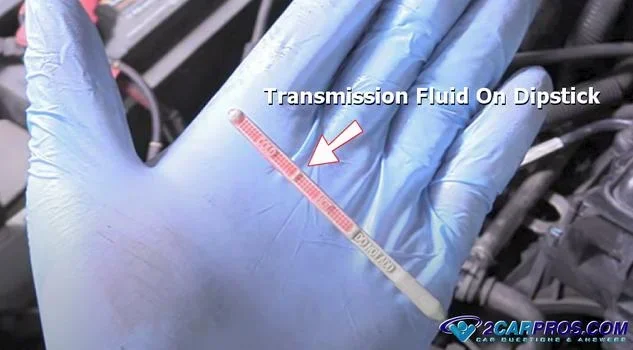
- Check the fluid color and smell at the same time.
That is it. It takes less than five minutes once you know the steps. The key is making sure the engine is warm and running during the entire process.
Understanding Transmission Fluid Levels and Condition
Getting the right level is only half the battle. You also need to pay attention to what the fluid looks and smells like. Fluid condition tells you a lot about the health of your transmission.
What Healthy Transmission Fluid Looks Like
Fresh automatic transmission fluid is typically bright red or translucent pink. It should feel smooth between your fingers and have a slightly sweet smell. If your fluid looks like any of the following, it is time to take action:
- Dark brown or black: The fluid is old and burned. It needs to be changed.
- Cloudy or milky: This suggests water contamination, which is a serious problem.
- Burnt smell: A burnt odor means the fluid has overheated and is breaking down.
- Gritty texture: Particles in the fluid indicate internal wear and tear.
What to Do If Fluid Levels Are Low
If your fluid level is below the minimum mark, you need to add more. But here is the catch: you must use the correct type of fluid. Using the wrong transmission fluid type can damage your transmission. Check your owner’s manual or ask your mechanic for the right specification.
When adding fluid, use a funnel and add small amounts at a time. Recheck the level after each addition. Overfilling is just as bad as underfilling because excess fluid can foam and cause pressure problems inside the transmission.
Common Mistakes People Make When Checking Transmission Fluid
Even experienced car owners make mistakes with this task. Here are the most common errors you should avoid:
- Checking the fluid with the engine off: This gives a false low reading for most automatic transmissions.
- Not warming up the engine first: Cold fluid does not flow the same way warm fluid does.
- Ignoring the dipstick markings: Each dipstick has its own set of indicators. Learn yours.
- Overfilling the transmission: Too much fluid causes foaming and pressure buildup.
- Using the wrong fluid type: Not all fluids are the same. Using the wrong one voids warranties and damages parts.
- Skipping the wipe step: Always wipe the dipstick clean before reinserting for an accurate reading.
One of the biggest mistakes is assuming all vehicles are the same. Some cars, like many modern Fords and Chryslers, do not have a transmission dipstick at all. These sealed transmission systems require a special procedure and equipment to check the fluid level. If your car does not have a dipstick, do not open the transmission pan yourself. Take it to a qualified mechanic instead.
When to Seek Professional Help
While checking fluid is a DIY-friendly task, there are times when you should leave it to the professionals. If you notice any of the following signs, it is time to visit a repair shop:
- Transmission slipping between gears: This indicates low fluid or worn internal components.
- Delayed gear engagement: A hesitation when shifting from Park to Drive is a red flag.
- Fluid leaks underneath the car: Red or brown puddles under your parked car mean a leak.
- Warning lights on the dashboard: The check engine light or transmission warning light should never be ignored.
- Unusual noises: Grinding, whining, or clunking sounds are never normal.
A professional mechanic can perform a transmission fluid change or transmission flush using the right equipment. They can also inspect the transmission pan, check the transmission solenoid function, and look for internal leaks that are not visible from the outside.
Regular professional maintenance, combined with your own routine fluid checks, is the best way to keep your transmission healthy for the long haul.
Transmission Fluid Change vs. Transmission Flush
You may hear two terms thrown around: fluid change and transmission flush. They are not the same thing, and understanding the difference can save you money and confusion.
A fluid change involves draining the old fluid from the transmission pan and replacing it with fresh fluid. This typically replaces about 40 to 50 percent of the total fluid. A transmission flush uses a machine to push out all the old fluid, including what is inside the torque converter and cooler lines. A flush replaces nearly 100 percent of the fluid.
Which one should you choose? For most vehicles, a fluid change every 30,000 to 60,000 miles is sufficient. A flush is usually recommended when the fluid is severely degraded or when a manufacturer specifies it in the service schedule.
Always check with your vehicle’s manufacturer before deciding. Some newer vehicles come with a transmission flush requirement at specific mileage intervals. Sticking to the manufacturer’s recommendation ensures you stay covered under warranty and keep your automatic transmission running at its best.
How Often Should You Check Your Transmission Fluid?
As a general rule, check your transmission fluid at least once a month. This quick habit takes only a few minutes and helps you catch problems early. More frequent checks are recommended if you:
- Tow heavy loads or haul trailers.
- Drive in stop-and-go traffic regularly.
- Live in a hot climate where transmissions work harder.
- Have a vehicle with over 50,000 miles on the odometer.
Consistent checking is the secret to avoiding expensive transmission repair bills. A few minutes of your time can add years to your transmission’s lifespan.
Quick Tips for Keeping Your Transmission in Top Shape
Here are some simple habits that make a big difference:
- Never ignore transmission warning signs like slipping or hesitation.
- Always use the manufacturer-recommended fluid type.
- Check your fluid on a regular schedule, not just when something feels wrong.
- Let your car warm up before driving hard in cold weather.
- Avoid riding the clutch in manual transmission vehicles.
- Get a professional inspection if you notice any fluid leaks.
These small actions add up. They keep your transmission running smoothly and help you avoid the dreaded transmission replacement bill that can easily exceed $3,000 or more.
Frequently Asked Questions
Can you check transmission fluid with the engine off?
For most automatic transmissions, no. You need the engine running and warm to get an accurate reading. Checking with the engine off often gives a false low level, which can lead to overfilling if you add fluid based on that reading. Always consult your owner’s manual for your specific vehicle’s instructions.
What happens if you overfill transmission fluid?
Overfilling causes the fluid to foam, which reduces its ability to lubricate and cool the transmission properly. Foamed fluid can lead to increased pressure inside the transmission, causing leaks, slipping gears, and ultimately transmission damage. Always add fluid in small amounts and recheck the level each time.
How do you know if your transmission fluid is low?
Common signs of low transmission fluid include delayed shifting, slipping gears, a burning smell, and unusual whining noises. You can also check the dipstick directly. If the fluid level is below the “Add” or minimum mark, you need to top it up with the correct type of fluid.
Is it safe to drive with low transmission fluid?
No, driving with low transmission fluid is risky. The transmission relies on fluid for lubrication and cooling. Running low causes increased friction, overheating, and can lead to catastrophic transmission failure. If you suspect your fluid is low, check it immediately and top it off before driving.
What color should transmission fluid be?
Healthy automatic transmission fluid is bright red or translucent pink. If the fluid turns dark brown or black, it has aged and needs to be replaced. A milky or cloudy appearance indicates water contamination, which requires immediate attention from a mechanic.
How often should you change transmission fluid?
Most manufacturers recommend changing transmission fluid every 30,000 to 60,000 miles. However, this varies based on your vehicle model, driving conditions, and the type of transmission. Always follow the service interval outlined in your owner’s manual for the best results.
Final Thoughts
So, do you check transmission fluid while engine is running? For the vast majority of vehicles, yes. Checking your fluid with the engine warm and running gives you the most accurate reading and helps you catch potential problems early. It is a simple task that takes just a few minutes but pays off big time in the long run.
Remember to always use the right fluid type, check on a level surface, and never ignore changes in fluid color or smell. Your transmission system works hard every day, and a little regular maintenance goes a long way toward keeping it healthy.
Whether you are a seasoned DIYer or a complete beginner, adding transmission fluid checks to your routine is one of the smartest things you can do for your vehicle. Stay on top of it, and your transmission will thank you with years of smooth, reliable performance.


One Comment