Does Hyundai Use Real Leather Or Fake Leather Inside
Hyundai uses a mix of real leather and synthetic materials depending on the model and trim level. Higher-end trims like the Hyundai Sonata Limited and Santa Fe often feature genuine leather seats, while base models typically use synthetic leather or vinyl. Understanding what your Hyundai interior is made of helps you maintain it properly and choose the right vehicle for your needs.
If you are shopping for a new Hyundai or already own one, you might wonder about the seats. Does Hyundai use real leather inside its vehicles? The short answer is yes, but with some important details you need to know.
Hyundai builds its vehicles with different interior materials across various trim levels. Some models come with genuine leather seats that feel luxurious and look stunning. Others use synthetic leather, also known as leatherette, which mimics the look and feel of real leather without the cost. The type of material depends on the model, the trim, and the year of production.
This guide breaks down everything you need to know about Hyundai seat materials. We will cover which models offer real leather, how to tell the difference between real and fake leather, and what it means for your wallet and your driving experience. Whether you are a current Hyundai owner or shopping for your next car, this article has you covered.
Key Takeaways
- Hyundai does use real leather: but only on higher trim levels and select models, not across the entire lineup.
- Base trims often use synthetic leather: also called leatherette or vegan leather, which is more affordable and easier to clean.
- Models like the Sonata, Tucson, and Santa Fe: offer genuine Nappa leather on their top-tier trims.
- You can check your seat codes: to confirm whether your Hyundai has real leather or a synthetic alternative.
- Real leather needs regular conditioning: while synthetic leather is more forgiving and lower maintenance.
- Hyundai leather quality is competitive: and rivals other brands in the same price range.
- Know what you are buying: by testing the material and reviewing the vehicle spec sheet before purchase.
📑 Table of Contents
What Kind of Leather Does Hyundai Use?
Hyundai uses different types of leather and synthetic materials across its vehicle lineup. The brand does not stick to just one material. Instead, it matches the interior to the vehicle’s price point and target audience. Let us look at the specific materials Hyundai uses inside its cars and SUVs.
Genuine Leather in Hyundai Vehicles
Hyundai uses genuine leather on its higher-end trims. This leather is often referred to as Nappa leather or semi-aniline leather. It comes from animal hides and undergoes a tanning process that preserves the natural texture. Genuine Hyundai leather feels soft, smells like leather, and develops a unique patina over time.
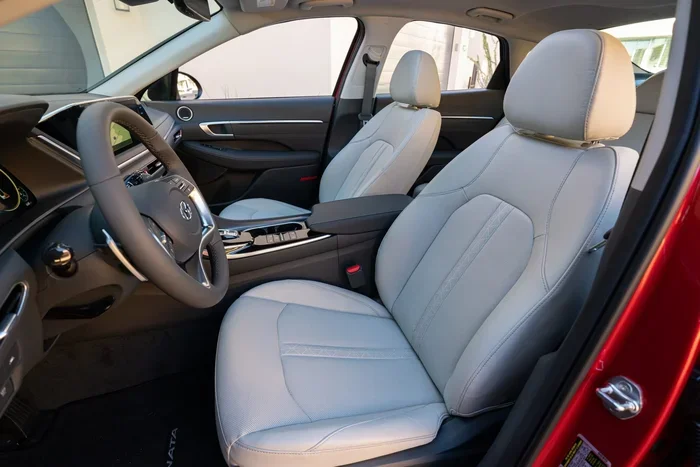
On models like the Hyundai Sonata Limited and Hyundai Santa Fe Calligraphy, you will find premium leather seating surfaces. These are not just the seat cushions. The headrests, center console, and door panels also feature leather in many cases. This full-leather approach gives the cabin a premium feel that buyers love.
Synthetic Leather and Leatherette
For base and mid-range trims, Hyundai uses synthetic leather. This material is also called leatherette, vegan leather, or ultra-suede in some cases. It is made from polyurethane or PVC bonded to a fabric backing. The result looks very similar to real leather but costs less to produce.
Synthetic leather has some advantages. It resists stains better than genuine leather. It is also easier to clean and does not crack as quickly in extreme heat. Many Hyundai owners prefer synthetic leather for its practicality, especially in families with kids and pets.
Hyundai Vegan Leather Options
Hyundai has also started offering vegan leather options in some markets. This material contains no animal products at all. It is entirely plant-based or synthetic. The Hyundai Kona and Ioniq models in certain regions offer this eco-friendly option. Vegan leather gives buyers a cruelty-free interior without sacrificing style.
Which Hyundai Models Come with Real Leather?
Not every Hyundai vehicle comes with real leather seats. The availability depends on the model and the specific trim level. Here is a detailed look at which Hyundai models offer genuine leather and where to find them.
Hyundai Sonata Leather Seats
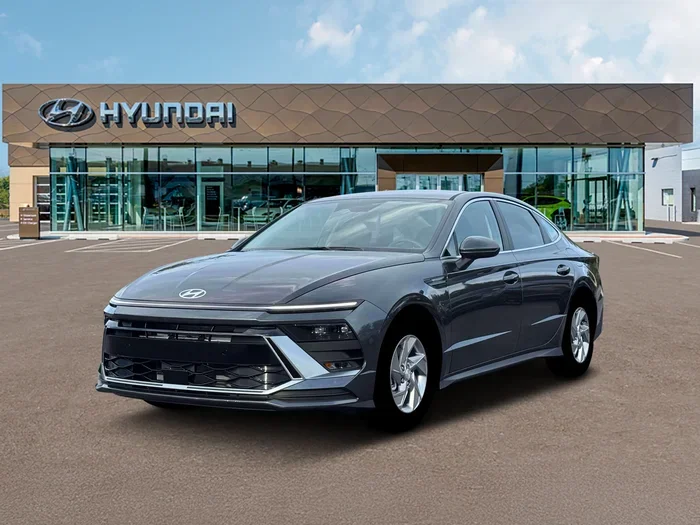
The Hyundai Sonata is one of the brand’s most popular sedans. On the base SE and SEL trims, the Sonata uses synthetic leather. However, the Limited and Hybrid Limited trims come with genuine leather seating surfaces. The Sonata Limited offers Nappa-style leather that feels smooth and luxurious. If you want real leather in a Sonata, you need to step up to the Limited trim or higher.
Hyundai Tucson Leather Seats
The Tucson compact SUV offers leather on its top trims. The Limited and Calligraphy trims feature genuine leather seats. The base SEL and SEL Plus trims use synthetic leather. The Tucson Calligraphy is the premium version and comes with the most luxurious interior in the lineup. It includes leather-trimmed seats, a leather-wrapped steering wheel, and leather accents throughout the cabin.
Hyundai Santa Fe Leather Seats
The Santa Fe mid-size SUV offers real leather on its higher trims. The Santa Fe Limited and Santa Fe Calligraphy trims come with premium leather seats. The base SE and SEL trims use cloth or synthetic leather. The Santa Fe Calligraphy is the top-of-the-line version and features full leather upholstery with contrast stitching. It is one of the most comfortable SUVs in its class when it comes to seat comfort.
Hyundai Kona Leather Seats
The Hyundai Kona compact SUV offers leather on its top trims. The Kona Limited and Kona Ultimate trims come with genuine leather seating. The base SE and S trims use synthetic leather or cloth. The Kona Ultimate is the sportiest and most luxurious version, featuring leather-trimmed seats and a leather-wrapped steering wheel.
Hyundai Elantra Leather Seats
The Hyundai Elantra compact sedan offers leather on its Limited trim. The base SE, SEL, and Limited trims use synthetic leather or cloth. The Elantra Limited is the only trim that comes with genuine leather seats. It also includes other premium features like heated and ventilated front seats, which make the leather feel even more luxurious.
Real Leather vs Synthetic Leather in Hyundai Vehicles
Understanding the difference between real leather and synthetic leather helps you make a smarter buying decision. Both materials have pros and cons. Let us compare them side by side so you can see what works best for your needs.
Feel and Comfort
Real leather feels softer and more natural than synthetic leather. It has a slight texture that you can feel with your hand. Over time, real leather molds to your body, making it more comfortable on long drives. Synthetic leather feels smoother and more uniform. It does not breathe as well as real leather, which can make seats feel warmer in summer.
Durability and Longevity
Real leather is more durable than synthetic leather when properly maintained. It can last 10 to 15 years or more with regular conditioning. Synthetic leather typically lasts 5 to 8 years before showing signs of wear. Synthetic leather can crack, peel, or fade faster, especially in vehicles that sit in direct sunlight often.
Maintenance Requirements
Real leather requires more care than synthetic leather. You need to condition it every 3 to 6 months to keep it soft and prevent cracking. Spills should be wiped up quickly to avoid staining. Synthetic leather is much easier to clean. A damp cloth handles most spills and stains. It also resists UV damage better than real leather.
Cost Differences
Real leather adds significant cost to a vehicle. A Hyundai model with genuine leather can cost $1,500 to $3,000 more than the same model with synthetic leather. This price difference reflects the cost of sourcing genuine leather and the additional manufacturing steps involved. Synthetic leather keeps the vehicle price lower while still offering a premium look.
Comparison Table: Real Leather vs Synthetic Leather in Hyundai
| Feature | Real Leather | Synthetic Leather |
|---|---|---|
| Material | Animal hide (genuine) | Polyurethane or PVC |
| Feel | Soft, natural texture | Smooth, uniform |
| Breathability | High | Low to moderate |
| Durability | 10+ years with care | 5-8 years |
| Stain Resistance | Moderate | High |
| Maintenance | Regular conditioning needed | Easy to clean |
| Cost | Higher trim price | Lower trim price |
| Smell | Distinctive leather scent | Mild or no scent |
| Heat Retention | Moderate | Higher in summer |
| Environmental Impact | Higher (animal product) | Lower (no animal products) |
How to Tell If Your Hyundai Has Real Leather
Not sure what material your Hyundai seats are made of? There are several simple ways to find out. You do not need to be a car expert to check. Here are the most reliable methods to identify real leather in your Hyundai.
Check the VIN and Seat Codes
Every Hyundai vehicle has a unique VIN (Vehicle Identification Number). You can use this number to look up your exact trim level and interior options. Visit the Hyundai website or contact your local dealer with your VIN. They can tell you exactly what materials your seats are made of. The seat codes on your vehicle also indicate the interior type. Check your owner manual for the seat code explanation.
The Touch Test
Real leather has a unique feel. Run your hand across the seat surface. Genuine leather feels slightly textured and warm to the touch. It also has subtle variations in texture, which is a sign of natural material. Synthetic leather feels very smooth and uniform. If the surface looks identical in every spot, it is likely synthetic.
The Smell Test
Real leather has a distinct smell. It smells earthy, warm, and slightly smoky. Synthetic leather has a plastic or chemical odor. If you open your car doors and smell something that resembles a leather couch or leather bag, you likely have real leather. If the smell is faint or chemical, it is probably synthetic.
Check for Stamping and Labels
Many Hyundai vehicles with genuine leather have a stamp or label on the seat. Look under the seat cushion or on the side of the seat back. You may see markings like “Leather” or “Premium Leather.” These labels confirm the material type. If you see “Leatherette” or “Synthetic,” you have a synthetic material.
The Water Drop Test
Real leather absorbs water. Put a small drop of water on a hidden area of the seat. If the water absorbs into the material within a few minutes, it is real leather. Synthetic leather will let the water sit on the surface and bead up. This test works well but use it sparingly to avoid visible water marks.
Caring for Your Hyundai Leather Seats
If your Hyundai has real leather seats, proper care keeps them looking great for years. Leather is a natural material that needs attention. Here are practical tips to maintain your Hyundai leather interior.
Cleaning Your Leather Seats
Wipe your leather seats with a soft, damp cloth every week. This removes dust and dirt before it builds up. For deeper cleaning, use a pH-balanced leather cleaner. Apply it with a microfiber cloth and wipe gently. Avoid harsh chemicals or household cleaners. They can strip the leather of its natural oils and cause cracking.
Conditioning Your Leather Seats
Conditioning is the most important step in leather care. Apply a leather conditioner every 3 to 6 months. Conditioner replaces the natural oils that leather loses over time. It keeps the seats soft and prevents cracks. Use a conditioner specifically designed for automotive leather. Apply it in thin, even layers and let it absorb fully before using the seats.
Protecting Your Leather from Sun Damage
UV rays are the biggest enemy of leather seats. They cause fading, drying, and cracking over time. Park in the shade whenever possible. Use sunshades on your windshield when parked in direct sunlight. You can also apply a UV-protectant product to your seats. This creates a barrier against harmful rays and extends the life of your leather.
Dealing with Spills and Stains
Clean spills immediately. The longer a liquid sits on leather, the harder it is to remove. Blot the spill with a clean cloth. Do not rub, as this can spread the stain. Use a leather-safe cleaner for stubborn stains. Avoid using excessive water, as it can seep through the leather and cause damage to the foam padding underneath.
Quick Tips for Hyundai Leather Care
- Condition every 3 to 6 months to keep leather soft and supple.
- Wipe spills immediately to prevent staining and absorption.
- Use sunshades to protect against UV damage and heat.
- Avoid sharp objects like keys or pet nails on leather surfaces.
- Vacuum seats regularly to remove dirt and debris that can scratch leather.
- Use only leather-specific products designed for automotive interiors.
- Keep your vehicle parked in shaded areas when possible.
Is Hyundai Leather Worth the Upgrade?
This is a question many buyers ask when choosing between trim levels. The answer depends on your priorities, budget, and how you use your vehicle. Let us weigh the pros and cons of upgrading to Hyundai leather seats.
Benefits of Choosing Real Leather
Real leather seats add a premium feel to any Hyundai vehicle. They look elegant and feel luxurious. Real leather also holds its value better than synthetic leather. When you sell or trade in your vehicle, buyers often pay more for genuine leather interiors. The comfort of real leather on long road trips is hard to beat. It conforms to your body and feels like a custom fit.
When Synthetic Leather Makes Sense
Synthetic leather is a smart choice for many buyers. It costs less upfront and requires less maintenance. Families with young children or pets often prefer synthetic leather because it is easier to clean. It also resists stains better than real leather. If you live in a hot climate, synthetic leather does not get as hot as real leather in direct sunlight.
Expert Insight: What Hyundai Owners Say
Many Hyundai owners share their experiences online. The consensus is that real leather feels premium but requires commitment to care. Owners of Hyundai models with genuine leather often say they would not go back to synthetic. They appreciate the natural feel and the way the leather ages gracefully. On the other hand, owners of synthetic leather appreciate the ease of maintenance and lower cost. Both options have loyal fans in the Hyundai community.
Key Takeaways
- Real leather adds value: both in comfort and resale price.
- Synthetic leather saves money: upfront and on maintenance.
- Your lifestyle matters: families may prefer synthetic, while luxury seekers may prefer real leather.
- Consider your climate: hot climates can make real leather uncomfortable without proper care.
- Test both materials: sit in the vehicle and touch the seats before making your decision.
Conclusion
So, does Hyundai use real leather inside its vehicles? Yes, but only on select models and higher trim levels. The Hyundai brand offers genuine leather seats on vehicles like the Sonata Limited, Tucson Limited, Santa Fe Calligraphy, and Kona Ultimate. These real leather interiors provide a premium driving experience that feels luxurious and comfortable.
For buyers on a budget or those who prioritize low maintenance, Hyundai also offers synthetic leather and cloth seating surfaces on base and mid-range trims. These materials are durable, easy to clean, and still look great. The key is knowing what you are getting before you buy.
Whether you choose real leather or synthetic, Hyundai builds interiors that are designed to last. Regular care and proper maintenance go a long way in preserving the look and feel of your seats. Now that you know what Hyundai uses inside its vehicles, you can make a confident decision that fits your lifestyle and budget.
The next time you sit in a Hyundai, take a moment to feel the seats. Check the smell, the texture, and the quality. You will know exactly what you are sitting on, and you will appreciate the craftsmanship that goes into every Hyundai interior.
Frequently Asked Questions
Does every Hyundai model come with real leather seats?
No, not every Hyundai model comes with real leather. Only higher trim levels on select models feature genuine leather seats. Base and mid-range trims typically use synthetic leather or cloth upholstery. Check the specific trim level of the model you are interested in to confirm the seat material.
How can I tell if my Hyundai has real leather or synthetic leather?
You can use several methods to tell the difference. Check for a leather stamp or label on the seat, perform the water drop test, or smell the material for a natural leather scent. You can also look up your VIN with a Hyundai dealer to confirm the exact interior materials.
Is Hyundai synthetic leather as good as real leather?
Synthetic leather has its own advantages. It is more stain-resistant, easier to clean, and costs less than real leather. However, it does not feel as natural or breathe as well as genuine leather. The best choice depends on your priorities, lifestyle, and how much maintenance you are willing to do.
How often should I condition my Hyundai leather seats?
You should condition Hyundai leather seats every 3 to 6 months. Regular conditioning keeps the leather soft, prevents cracking, and extends the life of the seats. If you park your vehicle in direct sunlight often, you may need to condition more frequently.
Does Hyundai leather seats crack over time?
Real leather can crack if not properly maintained. Exposure to UV rays, extreme heat, and dry conditions causes leather to lose moisture and crack. Regular conditioning and proper care prevent this. Synthetic leather is more resistant to cracking but can peel over time with heavy use.
Are Hyundai leather seats worth the extra cost?
Hyundai leather seats are worth the extra cost for buyers who value comfort, aesthetics, and resale value. Genuine leather adds a premium feel that enhances the driving experience. It also holds the vehicle’s value better over time. However, if you prioritize low maintenance and budget-friendly options, synthetic leather is a great alternative.